
As the energy world becomes smarter and more connected through the innovation of smart grids, it is also becoming increasingly vulnerable to cyberattacks. With advanced technology, the smart grid is also opening the door to possible security threats. So, a modern energy system needs strong cybersecurity to protect digital energy systems from cyberattacks. But the traditional security tools are not powerful enough to fight against these advanced cyber threats. This is where Artificial Intelligence (AI) comes into play. This article describes how AI strengthens cybersecurity in smart grids. Let’s break it down in simple terms.
What Are Smart Grids?
A smart grid is an advanced version of the traditional power grid that uses smart sensors and digital technology. It’s two-way communication enables bidirectional flow of information and allows for real-time data exchange between the grid components and the home.
Traditional power grids can send electricity in one direction, i.e., from the power grid to the home. Whereas smart grids can collect real-time data, which helps utilities make better decisions. The advantages of smart grids are:
1. Efficiently use energy
2. Highly reliable (Reduces blackouts and repairs faster)
3. Smart grids can be easily integrated with renewable resources like wind, solar, etc.
4. Highly automated (Instantly regulate energy flow)
5. Helps in reducing electricity bills
Architecture of Smart Grids
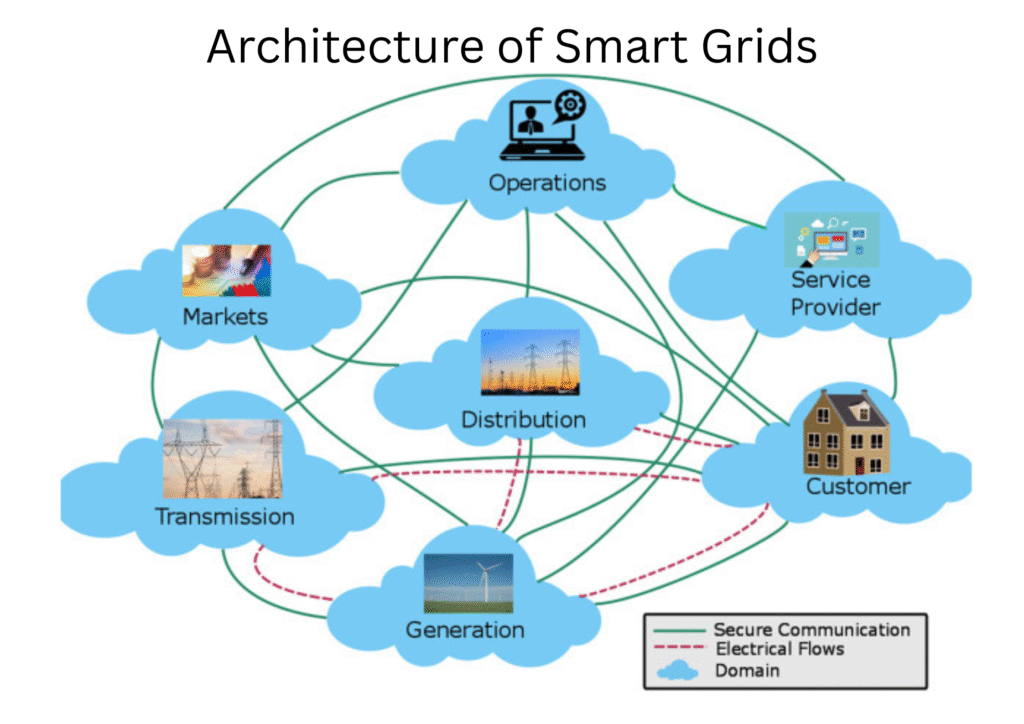
Smart grids are built with 3 main layers and several important components.
The three layers of smart grid architecture are:
1. Physical Layer: The physical layer includes all the physical components, such as power plants, transmission lines, distribution networks, substations, smart meters, etc.
2. Communication Layer: The communication layer includes all the technologies, such as wireless networks, wired networks, smart sensors, Internet of Things (IoT) devices, and data transmission systems that help in establishing communication between grid components.
3. Control Layer: The control layer collects information from the communication layer and uses it to make smart decisions to help run the system smoothly and efficiently. It includes an energy management system (EMS), Machine Learning algorithms, AI-powered tools, forecasting tools, Analytics tools, and SCADA (Supervisory Control and Data Acquisition) systems.
Several important components of smart grids are:
1. Distributed energy sources (Solar panels, wind turbines, etc.)
2. Smart meters
3. Microgrids
4. Energy Storage Systems
Cyber Attacks on Smart Grid Infrastructure
The smart grids, which include digital technologies, also face potential security risks. Hackers and malicious software target digital networks to gain access, cause damage, and take control of systems, which is known as a cyber-attack.
In smart grids, cyber attackers focus on smart meters, digital control systems, data management systems, control centers, and communication networks. Cyber attackers steal sensitive grid data, which also causes blackouts and service disruptions. Some common types of cyber attacks that affect smart grids are
1. Denial-of-Service (DoS) Attacks: These attacks cause delays and complete shutdowns of essential services.
2. Data Manipulation: Cyber attackers can alter or steal critical data, such as energy usage information or billing records.
3. Malware Infections: The attackers sometimes use viruses, worms, etc., to gain full access to the grid system.
4. Phishing Attacks: Phishing attacks are done through clicking on unknown links or emails. If any employee clicks on a suspicious link, it allows the attackers to gain access to secured systems.
Why Cybersecurity Is Important in Modern Energy Systems?
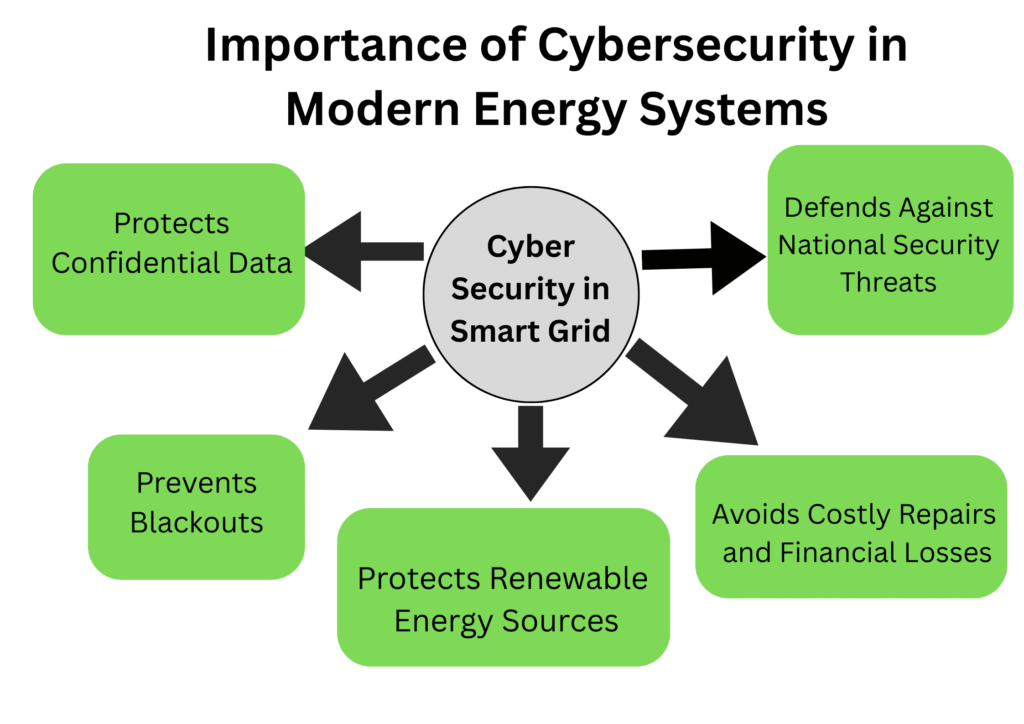
1. Protects Confidential Data
Cybersecurity ensures data privacy and protects sensitive data from being stolen or misused.
2. Prevents Blackouts
A cyberattack can shut down parts of the power grid, which leads to blackouts. Cybersecurity prevents such disruptions.
3. Protects Renewable Energy Sources:
Cyber attackers aim at the renewable energy sources that are connected to the grid through digital platforms. Cybersecurity protects the renewable systems and helps them run smoothly.
4. Avoids Costly Repairs and Financial Losses:
Cybersecurity helps in avoiding damages, costly repairs, and financial losses caused by cyberattacks.
5. Defends Against National Security Threats:
A cyberattack on a country’s energy grid system can disrupt defense systems and communication. Thus, cybersecurity is considered an important part of the national security system.
How AI Strengthens Cybersecurity in Smart Grids?
1. AI Observe and Learn the Normal and Abnormal Behavior of Smart Grid
First, the AI system collects data from sensors placed at different parts of the grid. Then the AI tools observe and learn how the smart grids operate, and their normal and abnormal behaviors, such as
1. Electricity supply and demand on normal days
2. Fault conditions
3. Ideal parameter values
4. Common communication signals, etc.
2. Monitors the Grid 24/7
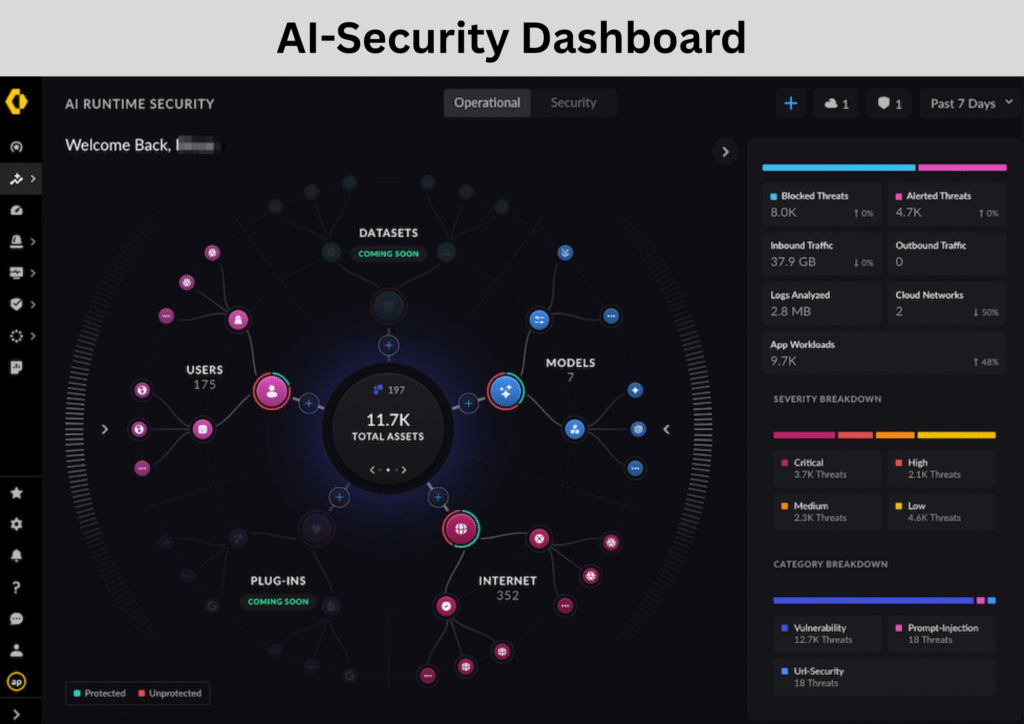
The AI-powered tools continuously monitor the grid and also check for
1. Any unusual behavior
2. Sudden spikes in electricity use
3. Any unauthorized log-in attempt
4. Strange commands sent to the controller unit, etc.
3. Threat Detection in Real-Time
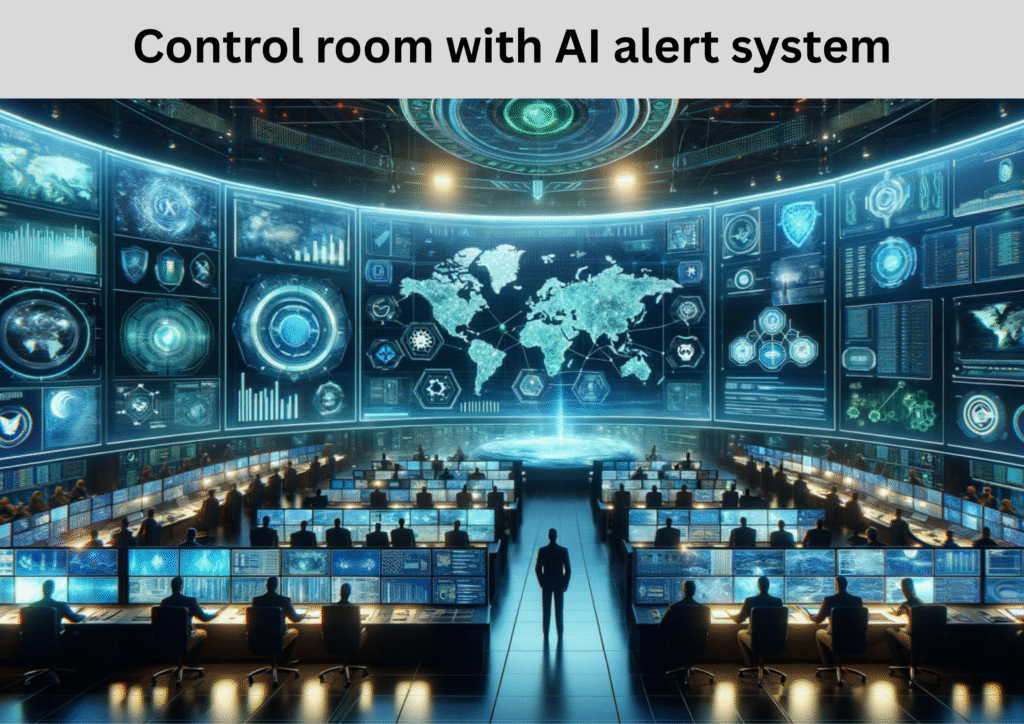
The AI-powered tools constantly monitor the behavior of grid operations, and if they find any suspicious behavior, they alert the operator about it. The AI tools can detect viruses, malware attacks, unauthorized logins, data theft attempts, etc.
4. Predicts Future Attacks
The AI tools analyze past cyberattacks and present scenarios to predict future possible attacks on the grid system. The AI tools warn operators about the weak parts of the system and suspicious user behavior so that the operators can take precautions before the attackers attack again.
5. Immediate Action
After getting confirmed about the cyberattacks, the AI tools take some immediate actions, such as
1. Block the source of attack
2. Block the unauthorized access
3. Disconnect the infected device
4. Isolate parts of the grid to stop spreading
Technologies Used in Grid Cyber Defense
The tools and systems designed to protect the energy grid system from cyber attacks are known as grid cyber defense. It helps in the early detection of threats, prevents unauthorized access, and ensures the grid is running smoothly and safely.
1. Firewalls and Intrusion Detection Systems:
The firewalls protect the power grid system by filtering out harmful network traffic and unauthorized access. The Intrusion Detection Systems (IDS) continuously monitor the network activity and alert operators if something suspicious happens.
2. Encryption Technology:
Encryption scrambles sensitive data such as control commands, meter readings, and communication between devices. With encryption technology, authorized users can only read this data.
3. AI and Machine Learning:
AI and machine learning algorithms are used to analyze a large amount of data. These algorithms can also detect patterns and identify unusual activity to predict possible future threats.
4. Multi-Factor Authentication:
Along with passwords, multi-factor authentication technology is used to secure modern grids.
5. Security Information and Event Management System:
SIEM systems monitor the entire network and provide a real-time overview of the system. They analyze logs and security data from across the grid.
6. Network Segmentation:
Network segmentation technology divides the whole power grid network into smaller segments. It prevents cyber attackers from reaching the entire system.
Reference: How Does AI Enhance Smart Grid Cybersecurity?
Advantages of Using AI in Strengthening Cybersecurity in Smart Grids
1. Real-Time Identification: The AI-powered tools use machine learning algorithms to analyze real-time data. Thus, AI tools quickly identify cyberattacks as they happen.
2. Predictive Analysis: Based on the historical data and trends, AI tools can predict threats before they occur.
3. Automated Response: Once the threats are detected, the AI tools automatically respond by blocking suspicious users, blocking the attack source, isolating the affected device, etc.
4. Anomaly Detection: The AI tools continuously monitor the behavior of common targets of attackers, such as smart sensors, IoT devices, and energy meters, to identify unusual patterns instantly.
Conclusion
The AI technology is the future of smart grid cybersecurity. The advanced AI technology offers a powerful line of defense against rising cyber threats. From observing to learning and predicting to acting, the AI acts as a silent bodyguard to the smart grid system. So, a combination of human expertise and artificial intelligence is required in building a smarter and safer energy future.
FAQS
- What is the importance of firewalls in grid security defense?
The firewalls protect the power grid system by filtering out harmful network traffic and unauthorized access. The Intrusion Detection Systems (IDS) continuously monitor the network activity and alert operators if something suspicious happens.
2. What is Encryption technology?
Encryption scrambles sensitive data such as control commands, meter readings, and communication between devices. With encryption technology, authorized users can only read this data.
Also Read:
- How AI Is Used to Design the Perfect Rooftop Solar System? A Complete Guide
- How Is AI Used to Develop Advanced Materials for Renewable Energy Technologies?
- How AI is Revolutionizing Predictive Maintenance in Smart Grids? A Complete Guide
- How AI Is Powering Smart Grids for Efficient Energy Distribution?
- A practical case study: How AI Enhances Microgrid Performance in Rural Areas?
- Hidden Microcracks in Solar Panel? How does AI Detect Early?
- Floating Solar Panel: The New Way to Produce Clean Energy on Lakes and Reservoirs
- AI-Powered Forecasting: A Powerful Technique to Enhance Grid Stability
- Importance of an AI-Driven Energy Pricing Model in Pricing Optimization
- Building-Integrated Solar Panels: How They Turn Walls and Windows into Clean Energy Generators?
- AI-Driven Predictive Maintenance in Wind Energy Systems
- How AI Is Used in the Renewable Energy Sector?
- AI and Microgrids: Empowering Remote Communities with Smart Energy
- AI Applications in Renewable Energy Trading and Market Optimization
Pingback: How Bifacial Solar Panels Capture Sunlight from Both Sides for More Power? Full Guide - science2energy
Pingback: Case Study: How Duke Energy Uses AI for Grid Stability? - science2energy
Pingback: Case Study: How Google Uses AI to Accelerate Grid Connections in the U.S. - science2energy
Pingback: How Smart Inverters Help Balance Solar Power and Grid Supply? A Complete Guide - science2energy
Pingback: Dual Glass Solar Panel: A Simple and Long-Lasting Investment for Homeowners - science2energy
Pingback: Tandem Solar Panels: The Future of Rooftop Solar - science2energy