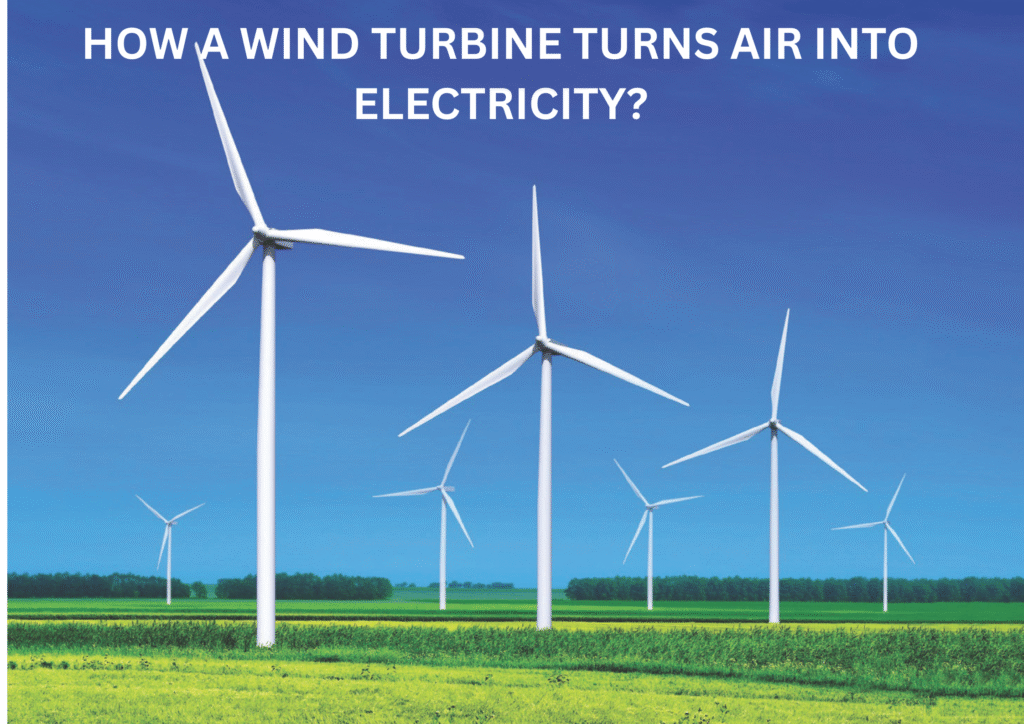
Wind energy has evolved rapidly over the past few decades, and in the modern world, it has become one of the most powerful and sustainable ways to produce electricity. But do you know how the air around us turns into electricity, powering our cities?
The wind energy conversion system is a combination of aerodynamics, mechanical engineering, and electrical conversion. In this article, a comprehensive explanation is provided on how a wind turbine converts air into electricity. It also covers some of the most engaging topics, such as the basic principle of blade aerodynamics, the power conversion from mechanical to electrical energy, the power transmission and distribution, and some of the advanced technologies used in the wind turbine system. Read the full article to know how the wind becomes one of the world’s most promising sources of clean energy.
What is the Wind Energy Conversion Technique?
A technique that converts the kinetic energy from the wind to mechanical energy and then electrical energy is known as the wind energy conversion technique.
When the moving air or wind that contains kinetic energy passes through the wind turbine’s blades, the blades start rotating, and kinetic energy is converted into mechanical energy. The mechanical energy is again converted into electrical energy through an electrical generator. The produced electricity can be used directly or fed into the power grid.
There are mainly two types of wind energy conversion systems.
- Horizontal Axis Wind Energy Conversion System: Here, the rotor shaft is positioned horizontally and faces the wind direction. These systems are highly efficient and most commonly used in commercial wind farms.
- Vertical Axis Wind Energy Conversion System: Here, the rotor shaft is positioned vertically and can capture wind from any direction. It is less efficient than a horizontal-axis system.
The primary advantage of a wind energy conversion system (WECS) is that it is 100% renewable and sustainable, emitting zero carbon during operation. These systems are used for utility-scale power generation, in hybrid renewable systems, off-grid applications, and also as micro wind turbines for charging batteries and small devices.
Main Components of a Wind Turbine System
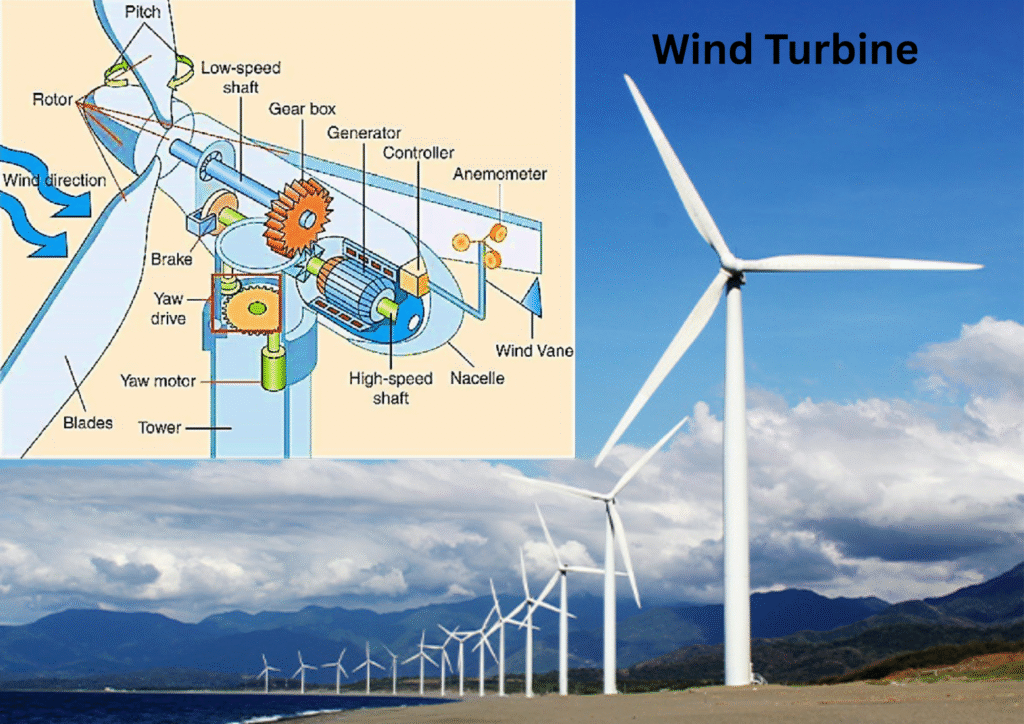
The main components of a wind turbine system are explained below.
- Rotor Blades: The rotor blades are designed to capture the kinetic energy from the wind and transform it into mechanical energy. Most wind turbine systems have 3 blades, which are made of lightweight composite materials such as fiberglass or carbon fiber.
- Rotor Hub: It connects the three blades to the main shaft of the wind turbine system. This is the joint where the rotational force from the blades is transmitted to the drivetrain. It contains a pitch control mechanism to adjust the angle of the blades.
- Main Shaft: This is the low-speed shaft that rotates typically around 20–60 rotations per minute (rpm). It carries the rotational energy from the rotor hub to the gearbox.
- Gearbox: It increases the rotational speed from the rotor to a level suitable for the generator.
- Generator: It converts the mechanical energy generated from the rotational motion of the shaft into electrical energy.
- Nacelle: It is mounted on the top of the tower and contains the main mechanical and electrical components, such as the gearbox, generator, and control electronics.
- Yaw System: The yaw system, containing the yaw motor and yaw bearing, helps the turbine face the direction of the wind.
- Brake System: It ensures the safety and control of the turbine during high wind speeds.
- Tower: The towers are around 80 to 150 meters tall. It supports the nacelle and rotor at a height.
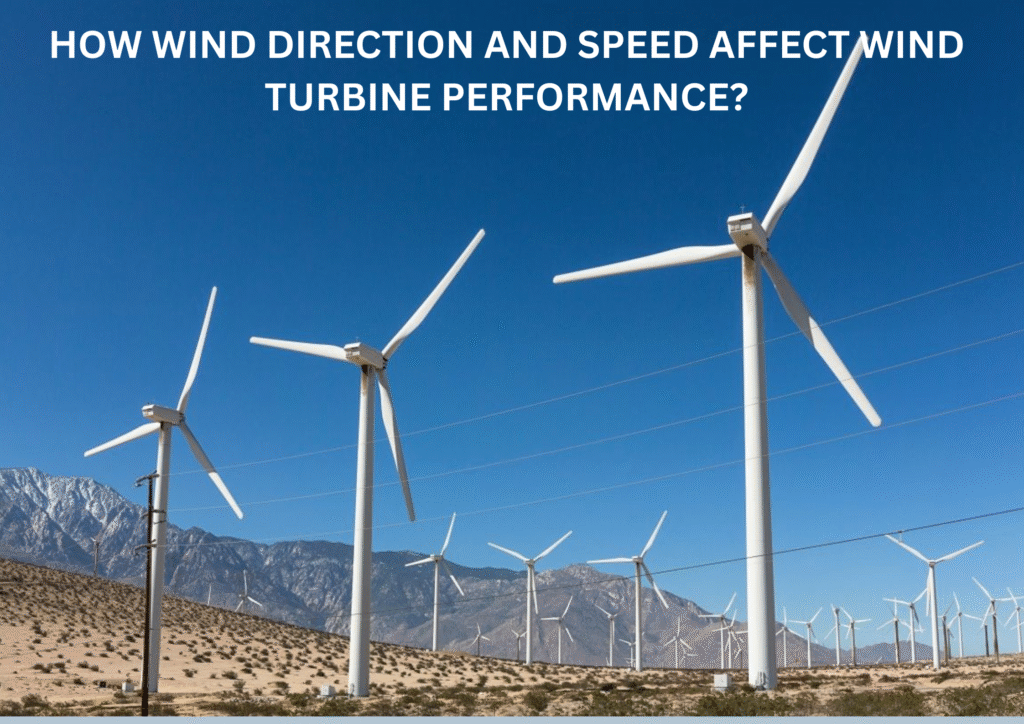
- Anemometer: It measures the wind speed and wind direction.
- Control System: It automatically adjusts the blade pitch angle, generator speed, and yaw angle to enhance the performance of the wind turbine system.
The Science of Blade Aerodynamics
The blade aerodynamics represent how the wind interacts with the wind turbine blades and generates rotational force. The aerodynamic design plays a significant role in the wind turbine system’s performance. It determines the amount of power it generates and how it behaves at various wind speed levels.
For various wind conditions, the airfoil profile is designed in a significant way. It helps balance lift, drag, and torque for smooth rotation. Lift and drag are the two important aerodynamic forces that act on the turbine blades. How efficiently the turbine blades convert the wind energy into rotational energy depends on the lift-to-drag ratio. The goal is to maximize lift while minimizing drag.
In an airfoil profile, the thicker section near the center offers strength and structural stability, whereas the thinner section near the tip enhances aerodynamic efficiency.
Another important factor in blade aerodynamics is the tip-speed-ratio (TSR). TSR is the ratio of the speed of the blade tip to the wind speed.
TSR = Blade tip Speed / Wind Speed
For maximum efficiency, the wind turbine system has an optimal TSR value which usually falls between 6 and 10. According to the Betz limit, no matter how well the blades are designed, a turbine can capture a maximum of 59.3% of the wind’s kinetic energy.
The Power Conversion Process: From Mechanical to Electrical Energy
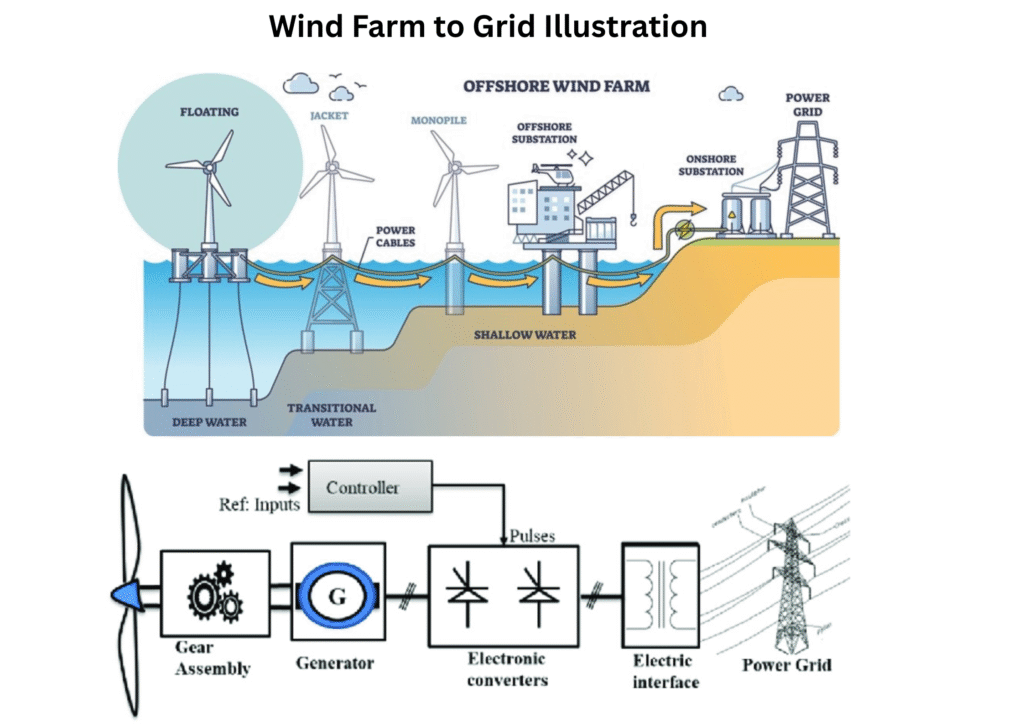
Step 1: Wind energy is the kinetic energy possessed by moving air. When the wind passes over the wind turbine’s aerodynamically designed blades, the blades capture the wind’s kinetic energy. The pressure difference across the blade surfaces generates a lift force and causes the rotor to rotate. Thus wind’s kinetic energy is converted into mechanical energy.
Step 2: When the rotor starts rotating, the rotational energy is transferred through the main shaft to the gearbox. The main shaft, or the low-speed shaft, rotates around 20 to 60 rpm. The gearbox increases this speed to around 1000 to 1,800 rpm. This is the operational speed required by the generator.
Step 3: The high-speed rotational energy generated by the gearbox is delivered to the generator. The generator converts the mechanical energy into electrical energy.
Power Transmission and Distribution
The electrical output generated by the generator can not be directly supplied to the grid. First, the output has to go through the power conversion and conditioning system to meet the grid standards. After conditioning, the clean and stable electricity is transmitted to the grid or stored in energy storage systems for later use.
Power conditioning and conversion process:
- As the wind speed varies continuously, the generator produces variable-frequency alternating current (AC).
- The variable AC is converted into direct current (DC) through the rectification process.
- The DC is again converted back into controlled AC with a constant voltage and frequency. This process is called the inversion process.
- Through synchronization, the power is matched with the grid’s phase and frequency.
Power transmission and distribution:
The power needs to be transmitted over long distances. So, to minimize energy loss during transmission and to match transmission requirements, the voltage is increased using a step-up transformer. Large utility-scale turbines can step up their output to 33 kV or higher.
The substationacts as a bridge between the wind farm and the utility grid. From the substation, electricity is transmitted via high-voltage transmission lines to regional distribution networks. The power gets delivered to the grid through high-voltage lines. The grid then supplies power to the users through distribution lines.
How Modern Technology Optimizes Turbine Operation?
As the wind speed, temperature, and air density vary throughout the day, modern digital and mechanical technologies are used to enhance the turbine’s performance.
- Smart Sensors: The sensors continuously track the operating parameters such as wind speed, rotor speed, blade pitch angle, etc., and collect thousands of data points per second. The data are then sent to the central control system.
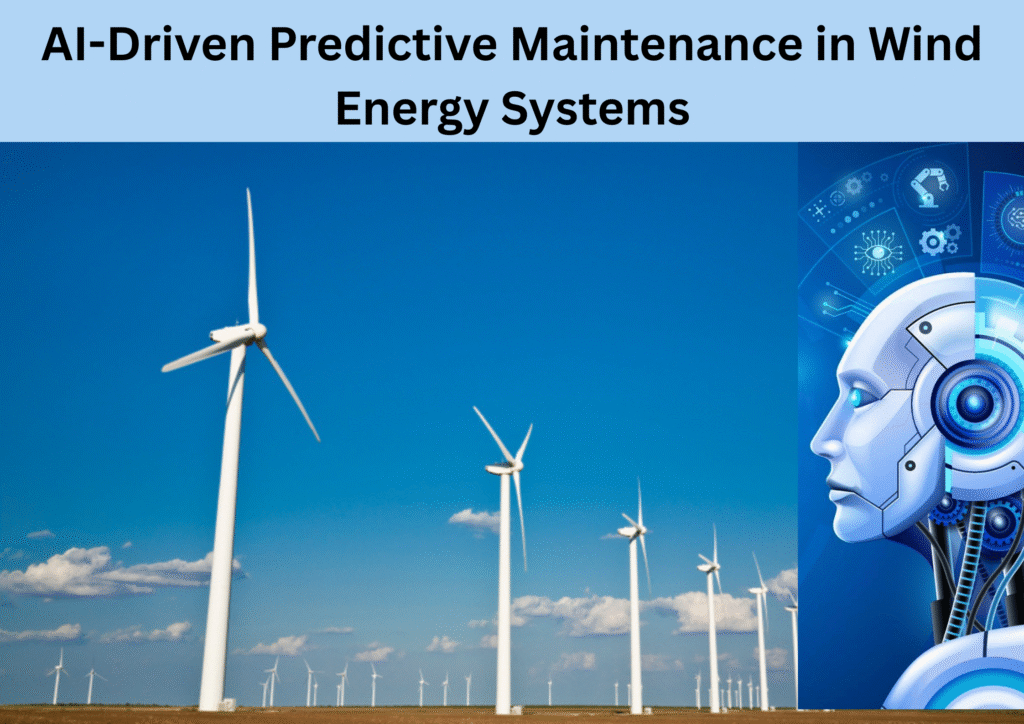
- Artificial Intelligence (AI) and Machine Learning: These advanced techniques are used for predictive maintenance, performance optimization, and fault detection.
- Advanced Control System: The pitch control system can adjust the angle of the blades to capture maximum energy from the wind. The yaw control system rotates the entire nacelle so that the rotor always faces the wind direction. To keep the power output stable, the generator torque and rotational speed are controlled.
- Digital Twin Technology: These digital models simulate the real turbine’s behavior using live data.
- Remote Monitoring and SCADA (Supervisory Control and Data Acquisition) System: These systems are used to monitor multiple turbines remotely.
- Drones and Robotic Inspection Systems: These are used to maintain and inspect wind turbines.
Case Studies
Case Study 1: Hornsea One Offshore Wind Farm
It is the world’s largest offshore wind project, which is located in the North Sea off the coast of the United Kingdom. This project covers approximately 407 square kilometers and features 174 wind turbines. The total capacity of this project is 1.2 GW. It supplies energy to almost 1 million homes.
Reference: Hornsea 1 Wind Farm
Case Study 2: Alta Wind Energy Center (AWEC)
This is the largest onshore wind farm in the United States. It is located at located in Kern County, California. This project has more than 600 wind turbines. The total capacity of this project is over 1500 MW. It supplies energy to approximately 450,000 homes.
Reference: Alta Wind Energy Center (AWEC), California
Conclusion
With advanced technologies, the future wind turbines will become more efficient, intelligent, and sustainable. Understanding the process of how a wind turbine turns air into electricity helps us see how far the renewable energy technology has come. The AI-based control systems, predictive maintenance, aerodynamic design, and every innovation are making wind energy a more reliable, scalable, and sustainable solution.
FAQS
- How does a wind turbine generate electricity?
When the moving air or wind that contains kinetic energy passes through the wind turbine’s blades, the blades start rotating, and kinetic energy is converted into mechanical energy. The mechanical energy is again converted into electrical energy through an electrical generator. The produced electricity can be used directly or fed into the power grid.
- What is the Betz limit?
According to the Betz limit, no matter how well the blades are designed, a turbine can capture a maximum of 59.3% of the wind’s kinetic energy.
Also Read:
- Importance of AI-Driven Predictive Maintenance in Wind Energy Systems
- Are DIY Solar Panel Kits Worth It? A Complete Guide
- Portable Solar Panel Kits: Best Uses for RVs and Camping
- Breaking Down Each Component of a 5kW Solar Panel Kit
- What Size Solar Panel Kit Do You Need? Find the Right Solar Kit for Your Home
- Perovskite Solar Panels: The Future of Home Solar
- High-Wattage 450W Solar Panels: Are They Worth It for Your Home Roof Space?
- The Rise of 600W+ High-Power Panels in Commercial Solar Farms
- HJT Solar Panels: A Right Solar Investment for Large Businesses
- N-Type TOPCon Solar Panel: A Complete Guide
- TOPCon Vs HJT Vs Tandem Solar Panels: Make The Best Purchase for Your Project
- Case Study: How Bifacial Solar Panels Improved Output in the Nevada Desert?
- Performance of Tandem Solar Cells in Real Pilot Solar Farms: A Case Study
- Flexible Solar Panels: The Ideal Solution for Small and Irregular Spaces
- Crystalline Vs Thin-Film Solar Panels: Which One Is The Best for Your Modern Smart Homes?
- Tandem Solar Panels: The Future of Rooftop Solar
- Self-Cleaning Solar Panels: No More Manual Cleaning from Now On
- Dual Glass Solar Panel: A Simple and Long-Lasting Investment for Homeowners
- Anti-Reflective Solar Panels: A Smart Way to Maximize Rooftop Efficiency
Pingback: How Wind Direction and Speed Affect Wind Turbine Performance? - science2energy
Pingback: The Evolution of Wind Power: How Wind Power Is Shaping the Future of Renewable Energy Grids? - science2energy
Pingback: What Are the Most Efficient Small-Scale Wind Turbines for Home Use? - science2energy