
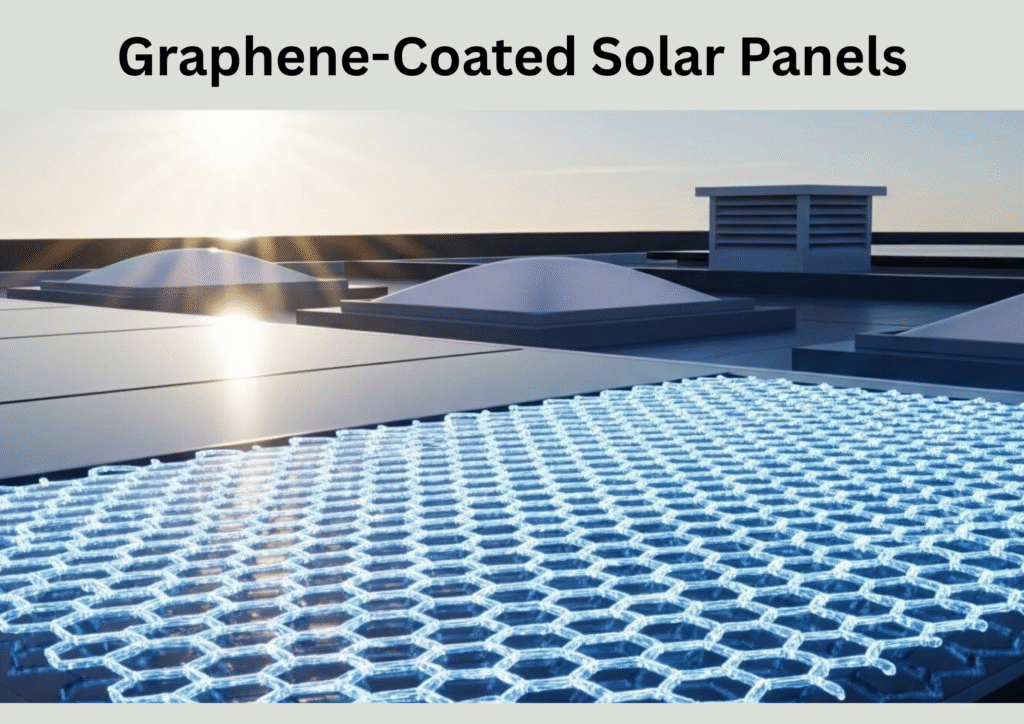
Graphene-coated solar panels are an innovation in solar technology that is attracting solar panel users seeking better solar solutions. This next-generation technology is pushing solar energy into a new era. These are more efficient and durable than traditional solar panels and perform better in low light. This article provides a clear understanding of graphene-coated solar panels. It also describes why it is a game-changer for homeowners. Let’s break it down in simple words.
What Is Graphene?
Graphene is the thinnest and strongest material derived from graphite. A single layer of graphite is separated to produce graphene. It is a single layer of carbon atoms arranged in a two-dimensional honeycomb lattice. It is also a very tough, lightweight, and nearly transparent material.
In graphene, each carbon atom is bonded to three other carbon atoms, producing a flat sheet that is both flexible and highly conductive. Graphene is made by using three techniques: mechanical exfoliation, Chemical Vapor Deposition (CVD), and liquid phase exfoliation.
Important Features of Graphene
- High Electrical and Thermal Conductivity:
Graphene has high electrical conductivity, which means it allows electrons to move through it very fast. So, it is ideal for solar panels, high-speed electronics, and batteries. It conducts electricity and heat better than most materials.
- Strongest Material:
Graphene is only one atom thick and one of the strongest materials. It is stronger than steel a tensile strength of about 130 GPa (gigapascals).
- Highly Flexible:
Graphene is highly flexible, and it can be easily bent or folded without breaking. It is also very thin, but sustains its structural integrity and performance.
- Transparent:
Despite being strong and dense, graphene is a completely transparent material and absorbs only 2.3% of visible light. So, it can be used in solar cells, touchscreens, and light sensors.
- Large Surface Area:
One gram of graphene can cover nearly 2,600 square meters. With a large surface area, it improves the performance of solar cells by capturing more light and storing more energy.
- Chemical Stability:
It resists chemical reaction and degradation. So, it is ideal for long-term use in outdoor solar installations.
Why Graphene is Ideal for Solar Technology?
- Graphene has high electrical conductivity. It enables faster movement of electrons and allows electricity to flow faster. This feature helps increase the energy conversion rate. When sunlight hits a solar panel, electrons are generated. Graphene allows these electrons to move faster and conduct electricity, which reduces energy loss.
- Graphene is incredibly transparent. It absorbs around 2.3% of visible light and allows most of the sunlight to pass through. So, it is ideal for designing transparent solar panels.
- Researchers have observed that solar cells designed with graphene have higher power conversion efficiency. This means graphene helps improve the light absorption, and more sunlight is converted to usable electricity.
- With high flexibility, graphene is ideal for flexible solar panels that can be used on curved surfaces, windows, rooftops, portable devices, and lightweight wearables.
- Graphene can withstand high temperatures without degrading. As solar panels are constantly exposed to sunlight and heat, the integration of graphene into solar panels prevents them from breaking down and also extends the lifespan of the panel.
- Graphene can replace expensive materials like indium tin oxide (ITO), commonly used as a transparent conductor in solar cells. It offers improved performance at a lower cost with better durability.
- Graphene-integrated solar panels are eco-friendly and environmentally sustainable.
Reference: The Role of Graphene and Other 2D Materials in Solar Photovoltaics
What is a Graphene-Coated Solar Panel?
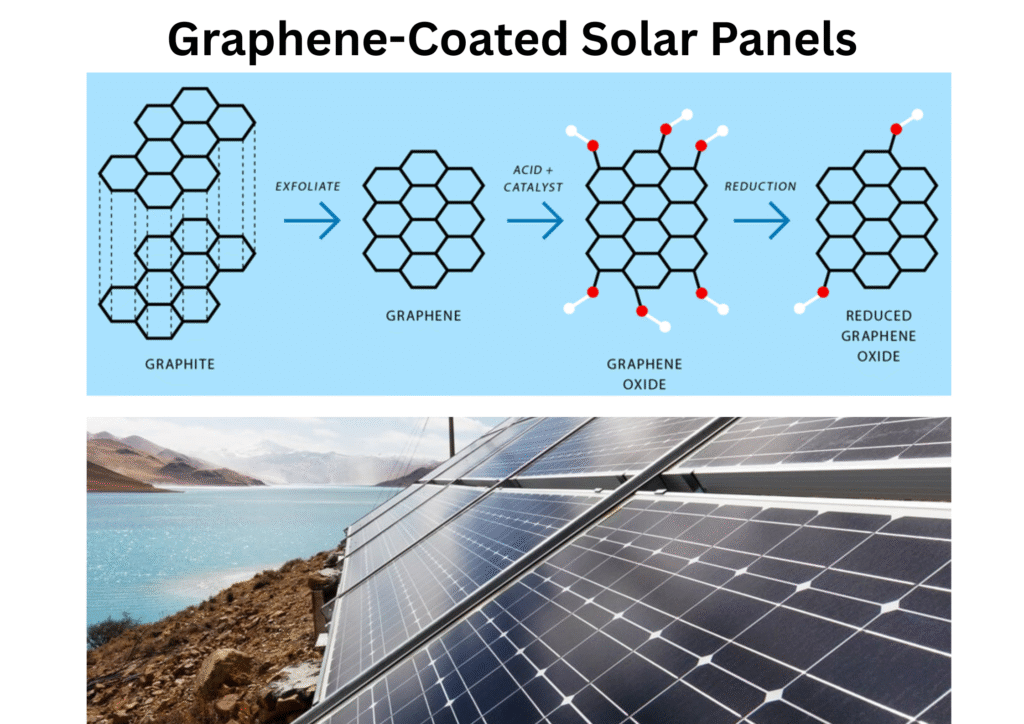
Solar panels that utilize a thin layer of graphene as a coating material are known as graphene-coated solar panels. Graphene is a single layer of carbon atoms arranged in a hexagonal structure. Graphene has exceptional strength, high electrical conductivity, and transparency, which improves the performance, durability, and energy efficiency of solar panels.
In graphene-coated solar panels, graphene is used as a coating over the solar cell or the conductive layers. This speeds up the flow of electricity and allows more sunlight to be captured and converted into usable energy. Graphene can absorb light in a wide range of wavelengths, including UV and infrared. This broad light absorption helps the solar panel generate more power.
Why Graphene-Coated Solar Panels are a Game Changer for Homeowners?
Graphene-coated solar panels are emerging as a game-changer in the next generation of solar technology. This can enhance residential solar technology because of
- Higher energy output throughout the day, even during cloudy weather
- It offers consistent power generation even when sunlight is weak.
- It helps the panel stay cool and protects it from overheating, which reduces efficiency.
- It extends the panel’s life span and makes it more durable for long-term use.
- It is highly flexible and can be applied to curved surfaces, windows, and rooftops.
The graphene-coated solar panels are a game-changer for homeowners because
- Reduces electricity bill: The highly efficient graphene-coated solar panels can capture more light and generate more electricity. This leads to savings on energy bills.
- Productive for homes with limited roof space: The graphene-coated solar panels can generate more power per square foot. So, these are an ideal option for homes with limited roof space.
- Enhance property value: A House with graphene-coated solar panels improves energy ratings and also enhances the home resale value.
- Better Return on Investment (ROI): The upfront cost of graphene-coated solar panels may be higher, but it offers better performance, energy savings, and faster and more stable ROI.
Graphene-Coated vs Traditional Solar Panels
| Traditional Solar Panels | Graphene-coated Solar Panels | |
| Materials Used | These are made using silicon-based photovoltaic (PV) cells. | These are made with Silicon, perovskite, or organic materials using a thin layer of graphene, a single sheet of carbon atoms. |
| Efficiency | These solar panels have an efficiency of 15-22%. | These solar panels are more efficient than traditional solar panels, with an approximate efficiency of more than 25%. |
| Electrical Conductivity | Good electron flow. | These panels are superior with incredible electrical conductivity. |
| Performance in low light | Performance degrades. | High performance even in low light. |
| Durability | These solar panels are stable and weather-resistant. | These solar panels are highly resistant to heat, moisture, and corrosion. |
| Flexibility | Not very flexible, mostly rigid. | Highly flexible |
| Availability | Available | Not available, still in development phase |
| Thermal Resistance | Performance degrades slightly at high temperatures. | It has high thermal resistance. |
Are Graphene-Coated Solar Panels commercially available for home use yet?
Till now, graphene-coated solar panels are not commercially available for home use. Some prototype panels and small-scale production samples are developed by researchers. But large-scale, certified products for residential use are still under development.
They are not available in the market because of
- High manufacturing cost
- Lack of certification (Still in research stage)
- Limited manufacturing infrastructure
What Homeowners Should Consider Before Buying Graphene-Coated Solar Panels?
- First, check if the graphene-coated solar panels are certified and available for residential installation in your region.
- Compare its cost with traditional solar panels and how long it will take to recover your investment based on energy savings.
- Check its efficiency by asking for independent test results or certifications from trusted labs.
- Make sure the solar panel brand is approved by local authorities and complies with building codes and grid connection standards.
- Select the brand that offers clear warranty policies, replacement terms, and post-sale support.
- Check its compatibility with the existing solar system in your home.
- Select a model that is future-proof and scalable.
Real World Examples of Graphene-Coated Solar Panels
- Graphene-Enhanced Perovskite Solar Cells, University of Rome (Italy)
Researchers at the University of Rome have collaborated with the Graphene Flagship Project to develop graphene-enhanced perovskite solar cells. The researchers found out that this type of solar panel offers over 20% power conversion efficiency. These solar panels are lightweight, flexible, and stable under heat and humidity.
Reference: Graphene, perovskites, and silicon – an ideal tandem for efficient solar cells
- Graphene-Based Transparent Solar Cells, South Korea’s GIST Institute
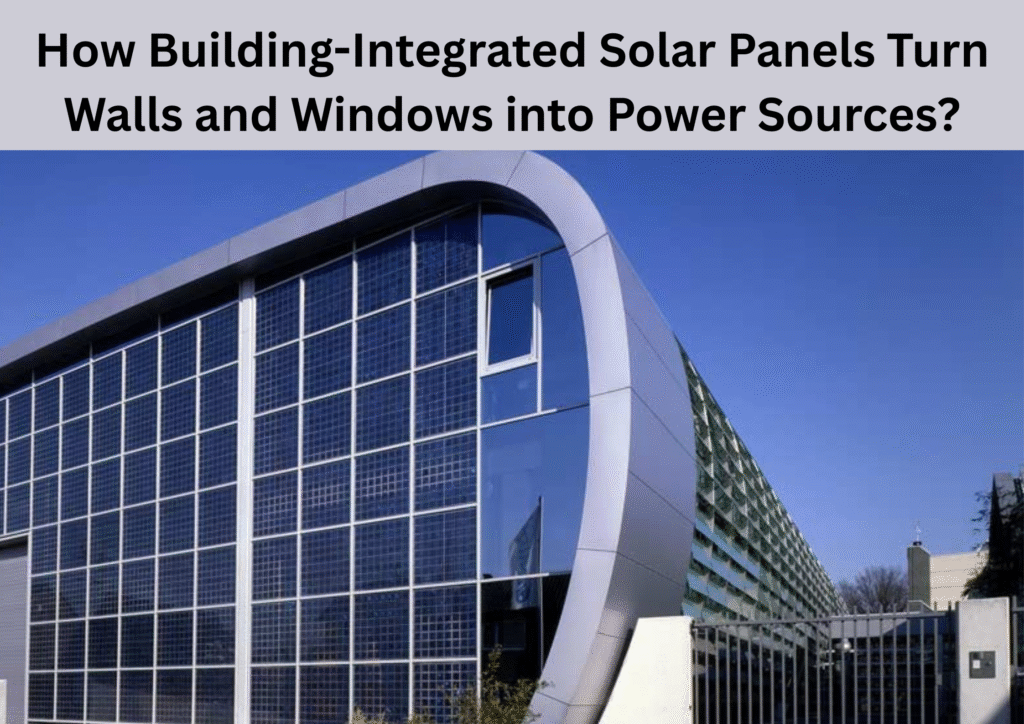
Researchers at the Gwangju Institute of Science and Technology (GIST) have developed graphene-based transparent solar panels for windows and glass facades. These panels have high light transmittance of up to 80%. These types of solar panels are ideal for smart windows and building-integrated photovoltaics.
Conclusion
Homeowners who are looking for highly efficient and advanced solar solutions, graphene-coated solar panels are a smarter, stronger, and more efficient option. These solar panels offer new possibilities for renewable energy systems in homes, industries, and smart cities. With better energy output, enhanced durability, and flexibility, they are great options for smart buildings to durable rooftop systems. However, since this technology is still in development, buyers need to approach it with care. The future of solar technology may be shaped by graphene innovations. But for now, traditional solar panels are more accessible and affordable.
FAQS
- What Is Graphene?
Graphene is the thinnest and strongest material derived from graphite. A single layer of graphite is separated to produce graphene.
2. What is a Graphene-Coated Solar Panel?
Solar panels that utilize a thin layer of graphene as a coating material are known as graphene-coated solar panels. In this, graphene is used as a coating over the solar cell or the conductive layers. This speeds up the flow of electricity and allows more sunlight to be captured and converted into usable energy. Graphene can absorb light in a wide range of wavelengths, including UV and infrared.
Also Read:
- Utilization of AI in Optimal Site Selection of Renewable Energy Projects: A Complete Guide
- A Practical Guide to Transparent Solar Panels: How Home Windows Can Produce Electricity?
- Smart Meters for Solar: The New Real-Time Energy Monitoring System in Rooftop Solar Systems
- Intelligent Solar Tracker: The Secret to More Solar Energy
- How to Optimize Energy Storage with AI Algorithms in Renewable Energy Systems?
- How to Enhance Solar Panel Efficiency with AI-Based Analytics?
- How Smart Inverters Help Balance Solar Power and Grid Supply? A Complete Guide
- Case Study: How Google Uses AI to Accelerate Grid Connections in the U.S.
- Case Study: How Duke Energy Uses AI for Grid Stability?
- How AI Strengthens Cybersecurity in Smart Grids? A Complete Guide
- How AI Is Used to Design the Perfect Rooftop Solar System? A Complete Guide
- How Is AI Used to Develop Advanced Materials for Renewable Energy Technologies?
- How AI is Revolutionizing Predictive Maintenance in Smart Grids? A Complete Guide
- How AI Is Powering Smart Grids for Efficient Energy Distribution?
- A practical case study: How AI Enhances Microgrid Performance in Rural Areas?
- Hidden Microcracks in Solar Panel? How does AI Detect Early?
Pingback: Anti-Reflective Solar Panels: A Smart Way to Maximize Rooftop Efficiency - science2energy
Pingback: Dual Glass Solar Panel: A Simple and Long-Lasting Investment for Homeowners - science2energy
Pingback: The Rise of 600W+ High-Power Panels in Commercial Solar Farms - science2energy