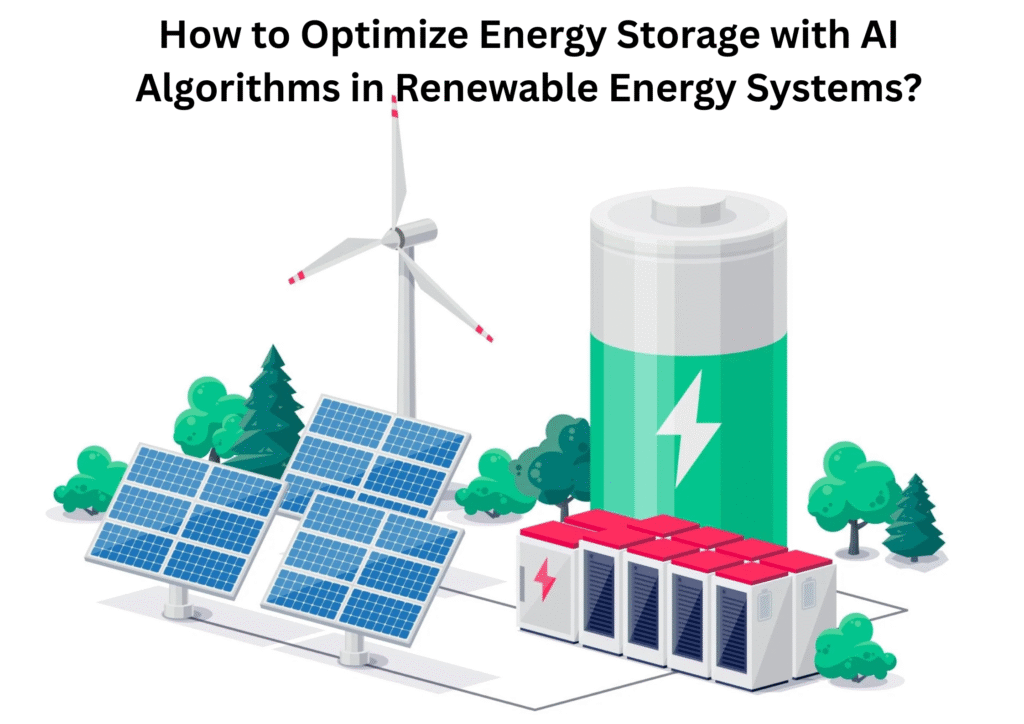
Renewable energy storage is critically important, as renewable energy sources do not produce power continuously. To achieve reliable 24/7 clean energy, we need advanced storage solutions. The solid-state batteries are the next big breakthrough in renewable energy storage. These batteries use solid electrolytes, which make them safer, more durable, and capable of storing more energy. This article provides a technical overview of solid-state batteries, including their advantages, limitations, and recent developments. Can solid-state batteries deliver 24/7 clean energy? Read the full article to get a detailed idea of this topic.
What Are Solid-State Batteries?
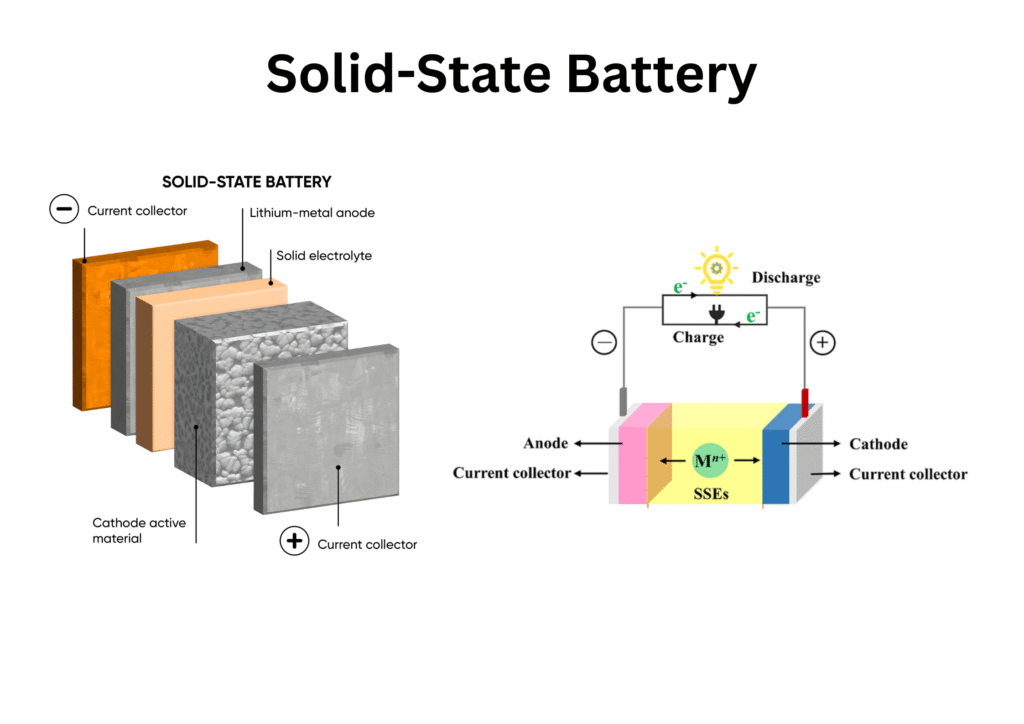
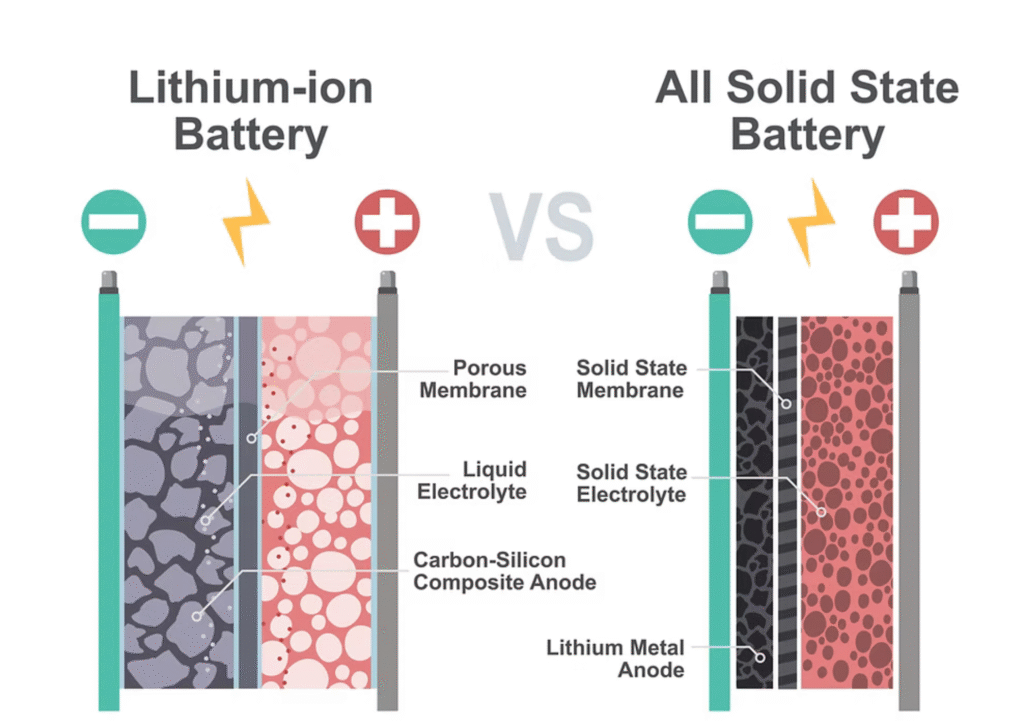
Solid-state batteries are rechargeable batteries that utilize a solid electrolyte to transport lithium ions between the cathode and anode. The solid material, which improves the battery’s stability and safety, can be made from ceramics, polymers, or sulfides.
The negative side of the solid-state battery, known as the anode, is often made of lithium metal in solid-state designs. The positive side of the battery, or cathode, is made of layered oxide materials. While charging and discharging the solid electrolyte enables the lithium ion to move between the anode and cathode.
Solid-state batteries can be utilized for various purposes, including electric vehicles (EVs), smartphones, laptops with extended battery life, renewable energy storage, and medical devices.
Importance of Renewable Energy Storage
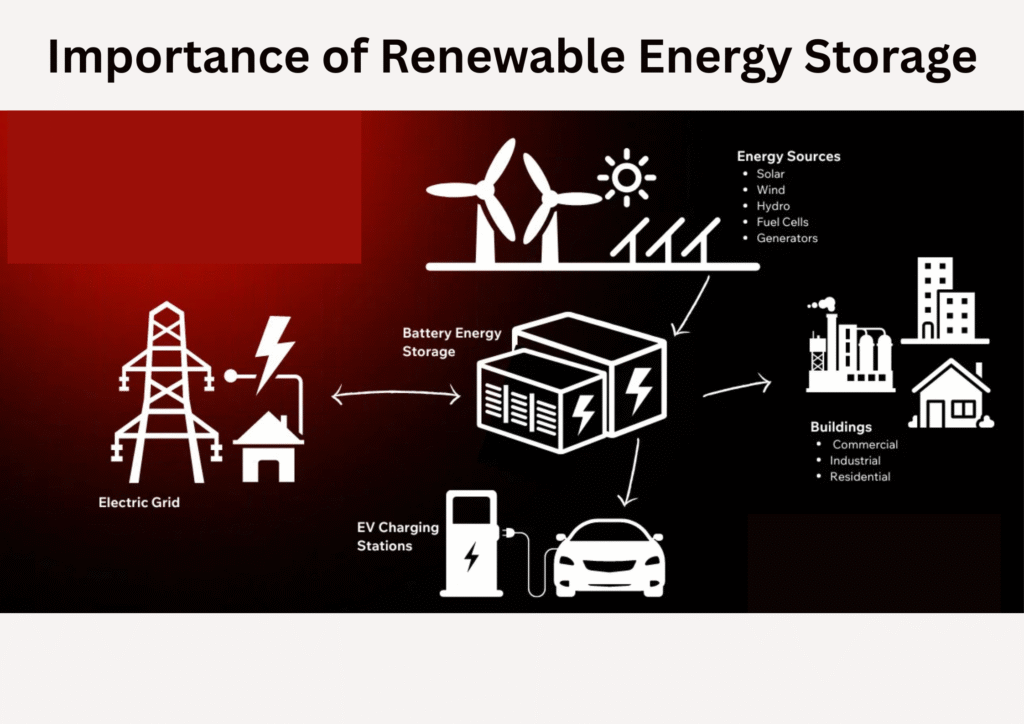
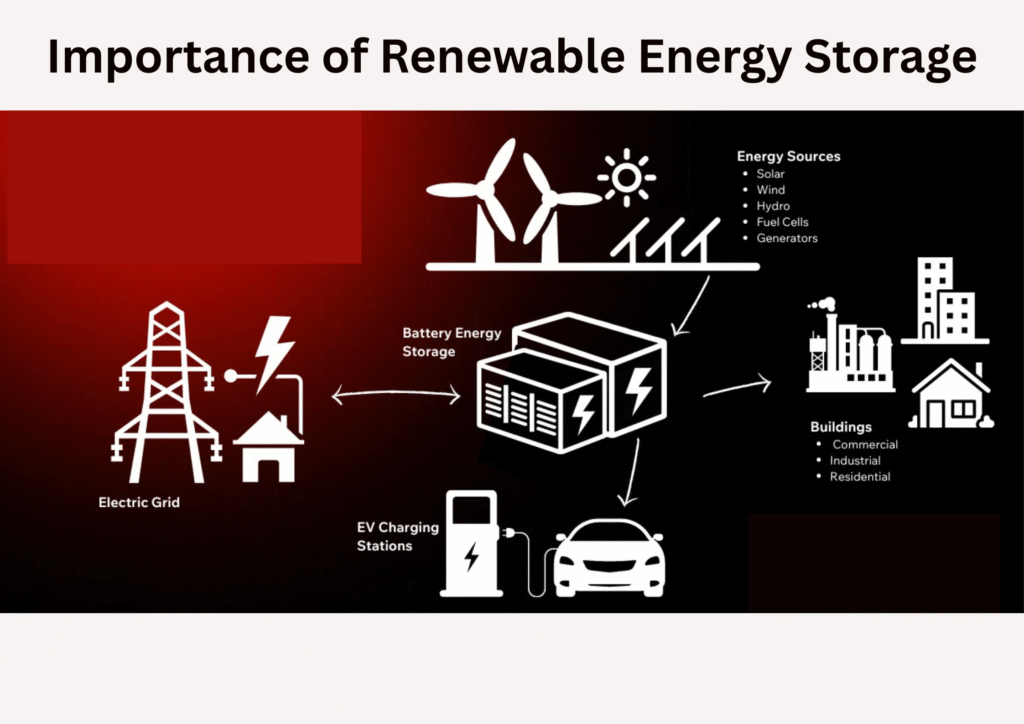
- Renewable energy storage is important to bridge the gap between energy supply and demand. Solar energy is generated only during the day, while wind energy is strongest at night. To use this renewable energy in the evening or at night, you need to store it in an energy storage device.
- The energy storage device helps balance the energy supply and demand by storing electricity in low-demand periods and delivering it during peak periods.
- Renewable energy storage device reduces stress on the grid and prevents power outages.
- Stored renewable energy reduces the need for fossil fuel power plants and also lowers carbon emissions.
- The Renewable energy storage device offers backup power during sudden drops in generation.
- It saves money by reducing the need to buy expensive electricity during peak hours.
- Advanced storage systems make renewable energy available 24/7.
Reference: Solid State Batteries for Solar Storage and EVs
Can Solid-State Batteries Deliver 24/7 Clean Energy?
With high energy density, longer lifespan, and safety, solid-state batteries have the potential to deliver 24/7 clean energy. They could help provide clean electricity around the clock in the near future.
- Highly durable: The solid-state batteries’ long-lasting storage capacity makes them suitable for daily charging and discharging cycles.
- Compact Design: The high energy density allows it to store more power in a smaller device.
- Grid integration: It can help stabilize voltage and frequency, so it can be easily integrated into the grid. This ensures consistent power delivery.
- Highly reliable: With reduced fire risks and high safety reasons, solid-state batteries are highly reliable for large-scale installations.
Most commercial solid-state battery projects are currently in the research and testing phase due to the complexity of manufacturing and high production costs.
Technical Advantages of Solid-State Batteries
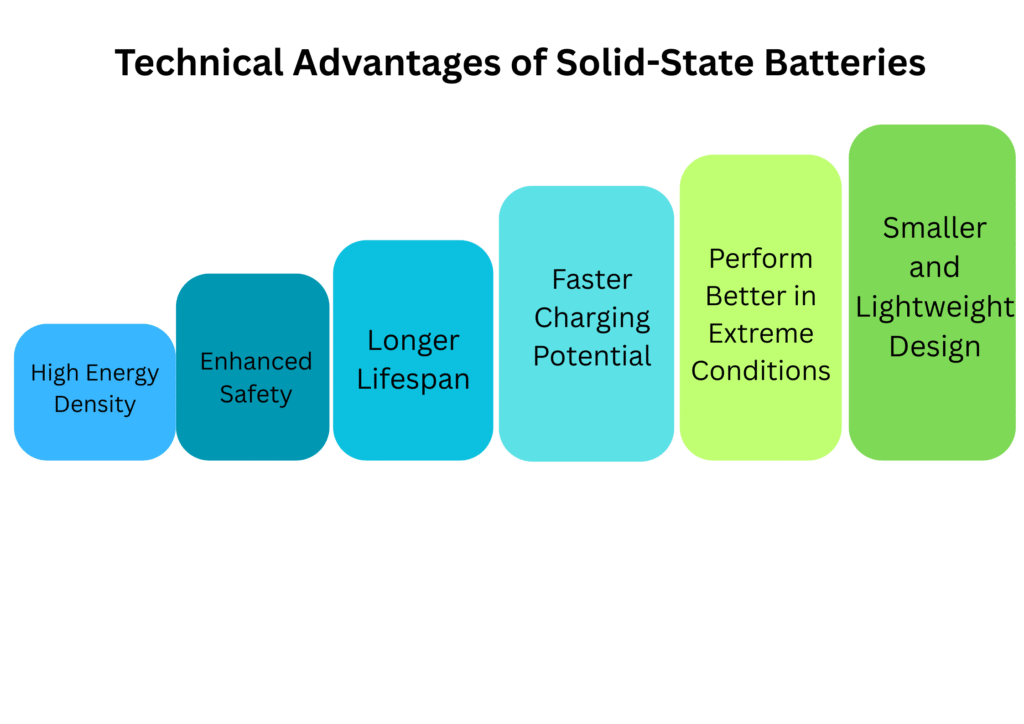
High Energy Density:
The solid-state batteries can store more energy in less space. They use lithium metal anodes that can hold more energy. This helps the EVs run for longer distances without increasing the battery size.
Enhanced Safety:
Solid-state batteries use non-flammable solid electrolytes that improve safety. It reduces the chance of overheating, and there is no risk of leakage. So, these are safe for large-scale storage systems connected to renewable energy.
Longer Lifespan:
The potential lifespan of solid-state batteries is two to three times longer than that of lithium batteries. It consists of electrodes and electrolytes with a low degradation rate. So, it offers better performance after thousands of charging cycles, fewer replacements, and lower long-term costs.
Faster Charging Potential:
The increased ion conductivity in solid electrolytes reduces charging times to minutes instead of hours. The solid-state batteries can handle higher charging currents without overheating. So, these are the best alternatives to renewable energy systems that require quick charging and discharging.
Perform Better in Extreme Conditions:
The solid-state batteries are stable and offer better performance in a wide temperature range. They are suitable in both a hot desert climate and in freezing conditions. So these batteries are considered a reliable option for renewable energy storage in remote or harsh environments.
Smaller and Lightweight Design:
Because of high energy density, the solid-state batteries can be designed as a compact and lightweight design without sacrificing capacity. This allows renewable energy storage units to store more power while occupying less physical space.
Limitations
- Expensive: High manufacturing cost is one of the biggest obstacles to using solid-state batteries in renewable energy storage. It uses solid electrolytes, especially ceramic and sulfide-based materials, which are very costly. Advanced equipment used for the manufacturing of these solid-state batteries also increases cost.
- Scalability: For renewable energy storage, large-scale battery systems are required. Mass production of solid-state batteries remains a major challenge.
- Limited Cycle Life: Some designs of solid-state batteries show performance degradation under repeated cycling.
- Limited Storage Capacity: A Renewable energy storage device needs to store a large amount of power. While the energy density is high, the total storage capacity of solid-state batteries is lower compared to flow batteries.
- Uncertain Thermal Stability: Some solid electrolytes lose conductivity at higher temperatures. Solid-state batteries still face a thermal management problem.
Reference: An advance review of solid-state battery: Challenges, progress and prospects
New Developments in Solid-State Batteries
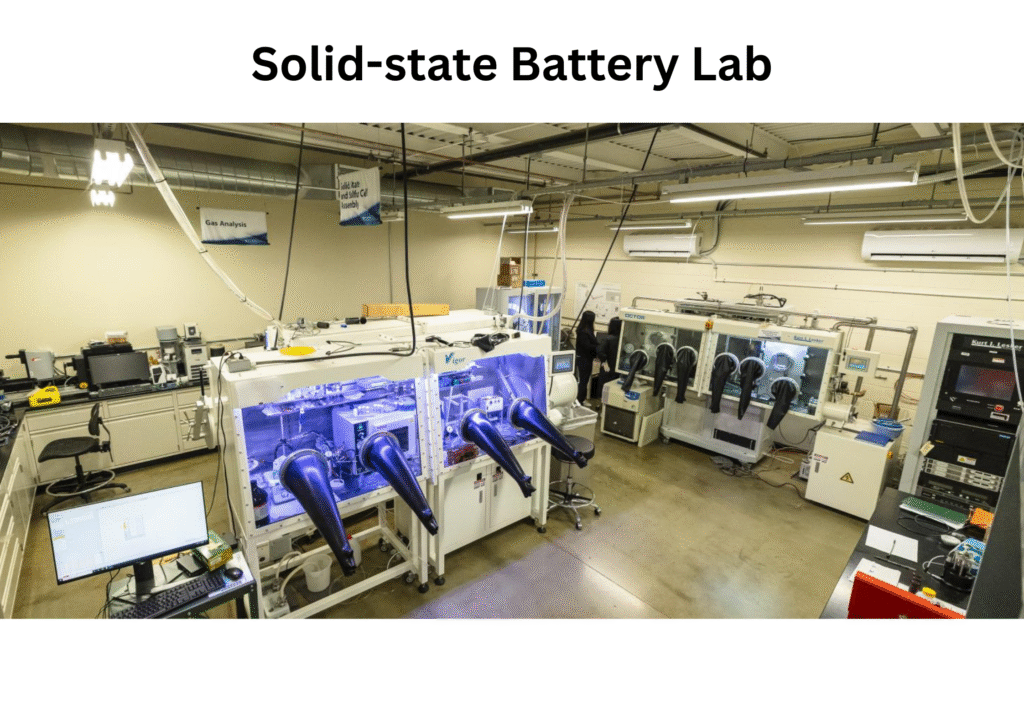
- Researchers are working on advanced solid electrolyte materials such as sulfide-based electrolytes, oxide-based electrolytes, polymer-based electrolytes, etc. These innovations would overcome one of the most important barriers to solid-state commercialization.
- To overcome problems like dendrite formation that causes short-circuit, researchers are focusing on lithium metal anodes, which are a more stable and practical solution.
- As renewable energy storage requires long battery life, researchers are focusing on improving the cycle life and durability of solid-state batteries.
- Rapid charging capability is another major development in solid-state batteries.
- New techniques such as roll-to-roll production methods are under development to manufacture solid-state batteries at scale.
Conclusion
To make renewable energy sources like solar and wind into reliable, round-the-clock energy providers energy storage system plays a significant role. With high energy density, longer lifespan, and improved safety, solid-state batteries could play a major role in renewable energy storage. Recent developments show that these solid-state batteries could be a key enabler of 24/7 clean energy in the near future. While cost and scalability challenges remain, research and development are accelerating progress to move solid-state batteries closer to commercialization.
FAQS
- What are Solid-state batteries?
Solid-state batteries are rechargeable batteries that utilize a solid electrolyte to transport lithium ions between the cathode and anode. The solid material, which improves the battery’s stability and safety, can be made from ceramics, polymers, or sulfides.
- Can solid-state batteries deliver 24/7 clean energy?
With high energy density, longer lifespan, and safety, solid-state batteries have the potential to deliver 24/7 clean energy. They could help provide clean electricity around the clock in the near future. Most commercial solid-state battery projects are currently in the research and testing phase due to the complexity of manufacturing and high production costs.
Also Read:
- Thermal Stability of Solid-State Batteries in Harsh Renewable Energy Environments
- Can Solid-State Batteries Keep the Lights on at Night? A Complete Guide
- Microinverters vs String Inverters: Which One Is the Best Solar Inverter for Your Rooftop Solar System?
- Are DIY Solar Panel Kits Worth It? A Complete Guide
- Portable Solar Panel Kits: Best Uses for RVs and Camping
- Breaking Down Each Component of a 5kW Solar Panel Kit
- What Size Solar Panel Kit Do You Need? Find the Right Solar Kit for Your Home
- Perovskite Solar Panels: The Future of Home Solar
- High-Wattage 450W Solar Panels: Are They Worth It for Your Home Roof Space?
- The Rise of 600W+ High-Power Panels in Commercial Solar Farms
- HJT Solar Panels: A Right Solar Investment for Large Businesses
- N-Type TOPCon Solar Panel: A Complete Guide
- TOPCon Vs HJT Vs Tandem Solar Panels: Make The Best Purchase for Your Project
- Case Study: How Bifacial Solar Panels Improved Output in the Nevada Desert?
- Performance of Tandem Solar Cells in Real Pilot Solar Farms: A Case Study
- Flexible Solar Panels: The Ideal Solution for Small and Irregular Spaces
- Crystalline Vs Thin-Film Solar Panels: Which One Is The Best for Your Modern Smart Homes?
- Tandem Solar Panels: The Future of Rooftop Solar
- Self-Cleaning Solar Panels: No More Manual Cleaning from Now On