
Maintaining consistent performance under different temperature conditions is a crucial factor in battery technology. The thermal stability of a battery represents how safe and reliable it is during charging, discharging, and long-term operation. The solid-state batteries with high thermal stability offer a new standard for safe and reliable energy storage. These batteries are more powerful than traditional lithium-ion batteries and offer minimal fire risks, extend lifespan, and improve performance under temperature stress. The extreme temperature rise in solar farms in desert regions affects not only solar panels but also the batteries. This article explains how the thermal stability of solid-state batteries can handle harsh renewable energy environments. Read the full article to know “can solid-state batteries handle extreme heat in desert solar farms and freezing temperatures?”
What Are Solid-State Batteries?
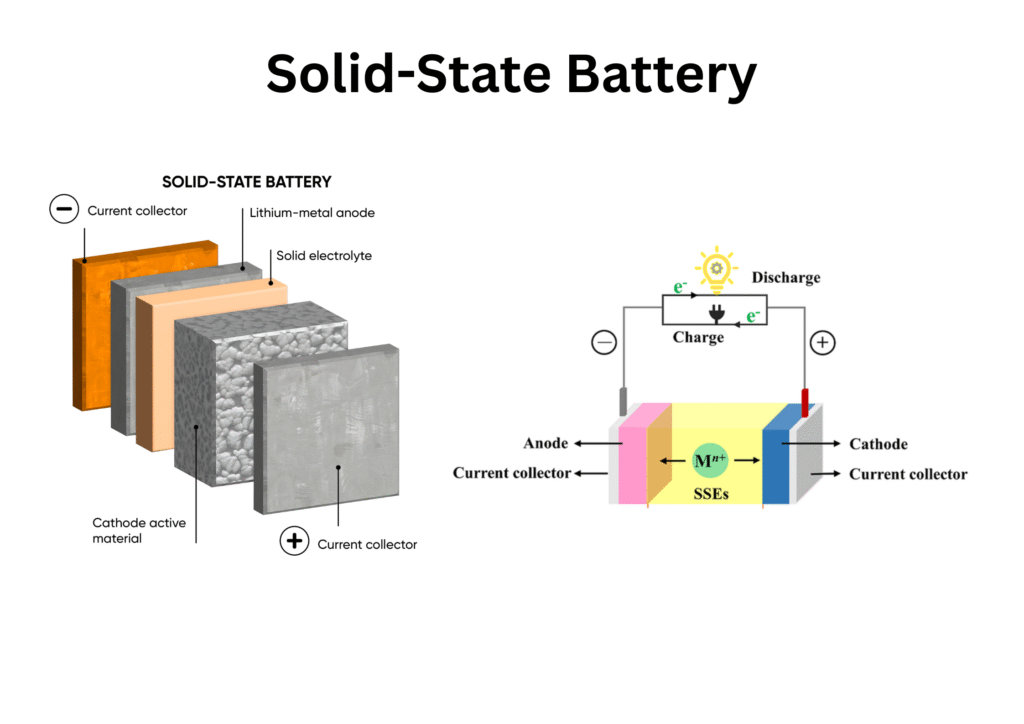
Solid-state batteries are rechargeable batteries that utilize a solid electrolyte to transport lithium ions between the cathode and anode. The solid material, which improves the battery’s stability and safety, can be made from ceramics, polymers, or sulfides.
A solid-state battery consists of three key components: the negative electrode, known as the anode, the positive electrode, known as the cathode, and the medium that transports ions between the anode and cathode, known as the electrolyte.
Solid-state batteries can be utilized for various purposes, including electric vehicles (EVs), smartphones, laptops with extended battery life, renewable energy storage, and medical devices.
Reference: A Review on the Advancement of Solid-State Batteries: Potential and Challenges for
Thermal Stability of Solid-State Batteries
The battery’s ability to maintain its structure, safety, and efficiency when exposed to heat is known as its thermal stability. A thermally stable battery can operate efficiently without breaking down or overheating, even if the temperature changes.
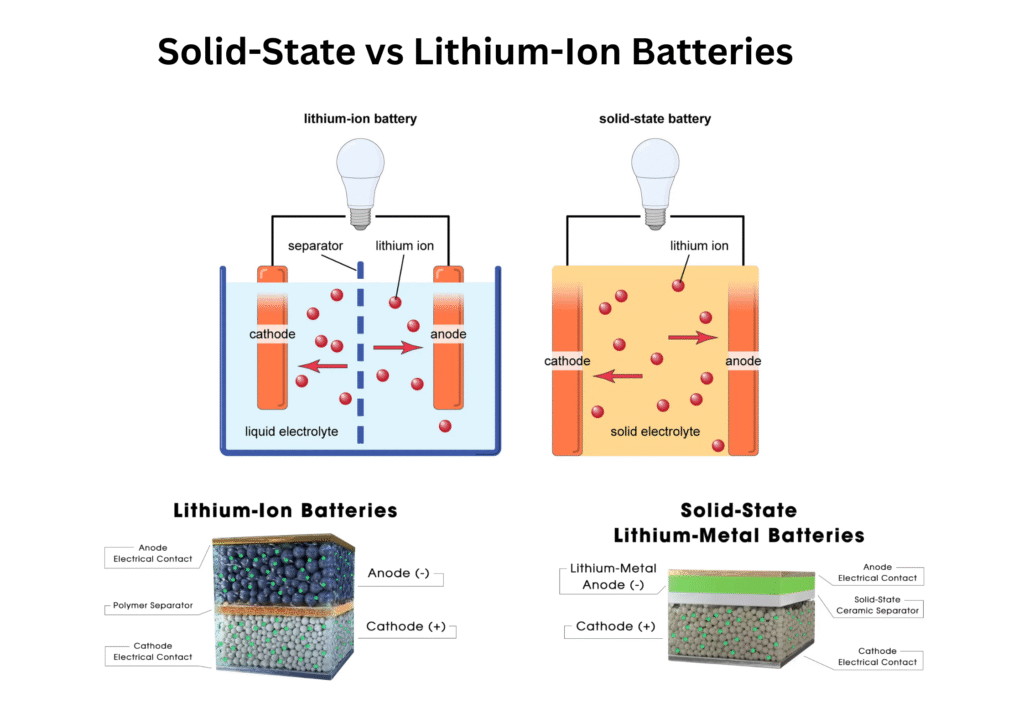
A solid-state battery uses a solid electrolyte such as ceramic, sulfide, glass, or polymers, which are far less reactive to heat as compared to liquid electrolytes. This non-flammable liquid eliminates leakage and reduces fire risk. The high thermal stability helps the battery maintain its stability in both high and low temperatures.
Solid-state batteries with ceramic electrolytes are highly stable under heat, whereas sulfide electrolytes have good conductivity but may react with moisture, which reduces their stability.
The solid-state batteries with high thermal stability provide consistent performance even in harsh environments. There is less risk of fire and explosion, and it also offers an extended lifespan due to better resistance to heat damage. So, the solid-state batteries are an excellent option for electric cars and solar systems that often deal with high temperature variations.
Reference: Progress in thermal stability of all-solid-state Li-ion batteries
Can Solid-State Batteries Handle Extreme Heat in Desert Solar Farms?
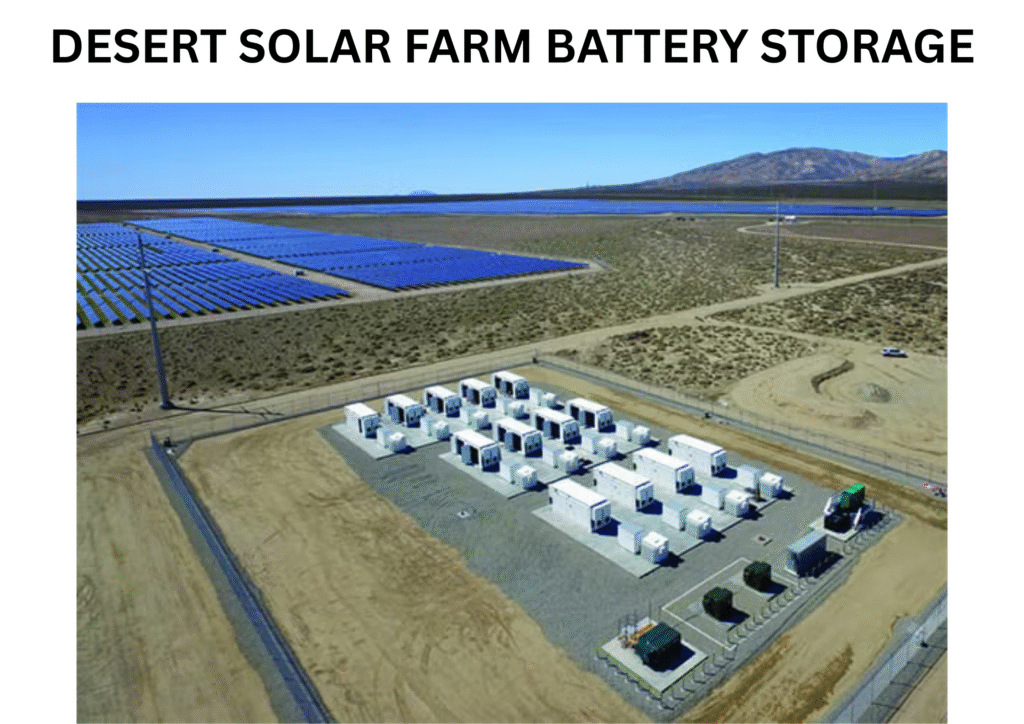
In large-scale desert solar farms, daytime temperatures are extremely high, often exceeding 110°F. To handle this extreme temperature, battery stability is a crucial factor. Because the electrolytes present inside the battery may degrade faster, and sometimes, overheating leads to fire or thermal runaway.
However, a solid-state battery with a solid electrolyte has high thermal stability and reduced fire risk. It also has a longer lifespan and performs consistently across a wide temperature range.
So, solid-state batteries can better handle extreme heat in desert solar farms as compared to lithium-ion batteries. These batteries offer improved stability at high temperatures and reduce the risk of sudden failures.
The ceramic electrolyte is a type of solid electrolyte used in solid-state batteries that can withstand high heat but is brittle. Whereas the sulfide-based electrolytes offer high conductivity but may react with moisture. But in large solar farms, the solid-state batteries also need a cooling or ventilation system to prevent localized heating.
Despite many advantages, solid-state batteries are not yet a perfect solution because of their high manufacturing cost, mass production issues, and material limitations.
Can Solid-State Batteries Perform Well in Freezing Conditions?
The traditional lithium-ion batteries contain liquid electrolytes, which become thickened or even frozen in cold weather. This reduces ion movement and leads to lower energy output and slow charging. In low temperatures, lithium ions move slowly, which reduces conductivity.
The solid-state batteries contain a solid electrolyte that doesn’t solidify like liquids and eliminates the risk of freezing. The ions move freely inside the electrolyte. There is less chance of swelling or leakage, so they offer higher structural stability.
Solid-state batteries with a ceramic electrolyte are stable but may show poor conductivity in freezing conditions. However, sulfide electrolyte offers better conductivity but is sensitive to moisture during manufacturing.
Researchers are working on a hybrid electrolyte that combines both ceramics and polymers and also balances conductivity and flexibility. Research on the built-in heating system is also in progress, which can maintain stable performance in sub-zero environments.
Technical Advantages of Solid-State Batteries in Harsh Environments
High Thermal Stability:
Because of superior thermal stability, solid-state batteries can withstand both high and low temperatures. The solid electrolyte reduces the risk of thermal runaway. This feature makes the solid-state batteries highly stable in extreme heat or cold. So, these batteries are highly suitable for desert solar farms and northern climate energy storage systems.
High Mechanical Strength:
Because of improved mechanical strength, the solid-state batteries can resist structural degradation even when exposed to vibration, pressure, or rough handling. These batteries are less prone to swelling, leakage, or evaporation. So they are an ideal option to use in military, aerospace, and heavy machinery applications.
Longer Lifespan:
The solid-state batteries allow more charging and discharging cycles with a slower degradation rate. So, these are ideal to use in remote renewable energy projects and space missions where replacement is difficult.
Improved Safety Features:
The solid-state batteries consist of a solid electrolyte. The absence of flammable liquids reduces the risk of fire or explosion in high temperatures. The improved safety features make it a suitable option for electric vehicles and large-scale grid storage.
Steady Energy Supply:
In both high heat and freezing conditions, the solid-state batteries deliver a steady energy supply.
Conclusion
Safety and durability are two important factors in developing new energy storage technologies in the automotive and renewable energy industries. Solid-state batteries are one of the most promising innovations in the energy sector, with the potential to set a new standard for safe and reliable energy storage in the future. These batteries with solid electrolytes minimize fire risks, extend lifespan, and improve performance under temperature stress. But there are still some technical challenges that have to be overcome. Top universities and research institutions are working on cost reduction and mass production of solid-state batteries to make them commercially available in the next 5 to 10 years. Scientists are working on developing electrolytes that combine high conductivity with thermal resilience.
FAQS
- Can solid-state batteries handle extreme heat in desert solar farms?
A solid-state battery with a solid electrolyte has high thermal stability and reduced fire risk. So, solid-state batteries can better handle extreme heat in desert solar farms compared to lithium-ion batteries. However, despite many advantages, these batteries are not yet a perfect solution because of their high manufacturing cost, mass production issues, and material limitations.
- Can solid-state batteries perform well in freezing conditions?
The solid-state batteries contain a solid electrolyte that doesn’t solidify like liquids and eliminates the risk of freezing. The ions move freely inside the electrolyte. There is less chance of swelling or leakage, so they offer higher structural stability.
Solid-state batteries with a ceramic electrolyte are stable but may show poor conductivity in freezing conditions. However, sulfide electrolyte offers better conductivity but is sensitive to moisture during manufacturing.
Also Read:
- Can Solid-State Batteries Keep the Lights on at Night? A Complete Guide
- Microinverters vs String Inverters: Which One Is the Best Solar Inverter for Your Rooftop Solar System?
- Are DIY Solar Panel Kits Worth It? A Complete Guide
- Portable Solar Panel Kits: Best Uses for RVs and Camping
- Breaking Down Each Component of a 5kW Solar Panel Kit
- What Size Solar Panel Kit Do You Need? Find the Right Solar Kit for Your Home
- Perovskite Solar Panels: The Future of Home Solar
- High-Wattage 450W Solar Panels: Are They Worth It for Your Home Roof Space?
- The Rise of 600W+ High-Power Panels in Commercial Solar Farms
- HJT Solar Panels: A Right Solar Investment for Large Businesses
- N-Type TOPCon Solar Panel: A Complete Guide
- TOPCon Vs HJT Vs Tandem Solar Panels: Make The Best Purchase for Your Project
- Case Study: How Bifacial Solar Panels Improved Output in the Nevada Desert?
- Performance of Tandem Solar Cells in Real Pilot Solar Farms: A Case Study
- Flexible Solar Panels: The Ideal Solution for Small and Irregular Spaces
- Crystalline Vs Thin-Film Solar Panels: Which One Is The Best for Your Modern Smart Homes?
- Tandem Solar Panels: The Future of Rooftop Solar
- Self-Cleaning Solar Panels: No More Manual Cleaning from Now On
- Dual Glass Solar Panel: A Simple and Long-Lasting Investment for Homeowners

Pingback: The Future of Renewable Energy Storage: Can Solid-State Batteries Deliver 24/7 Clean Energy? - science2energy