Currently, more than 430 gigawatts of electricity are generated globally from wind, and this number is increasing annually. One major challenge that remains at the center of every modern wind energy system is wind energy forecasting, as the wind can change direction in seconds. A slight drop in wind speed can imbalance the entire power network. This is where machine learning comes into the picture.
Machine learning is reshaping the future of wind energy forecasting. It is helping the energy sector step into this new era. The machine learning algorithms can analyze real-time turbine data, historical readings, and long-term weather patterns. After learning the data, they recognize nonlinear behavior and update predictions as soon as new information arrives.
This article explains machine learning in the wind energy industry and how these models improve forecast accuracy.
What Is Wind Energy forecasting?
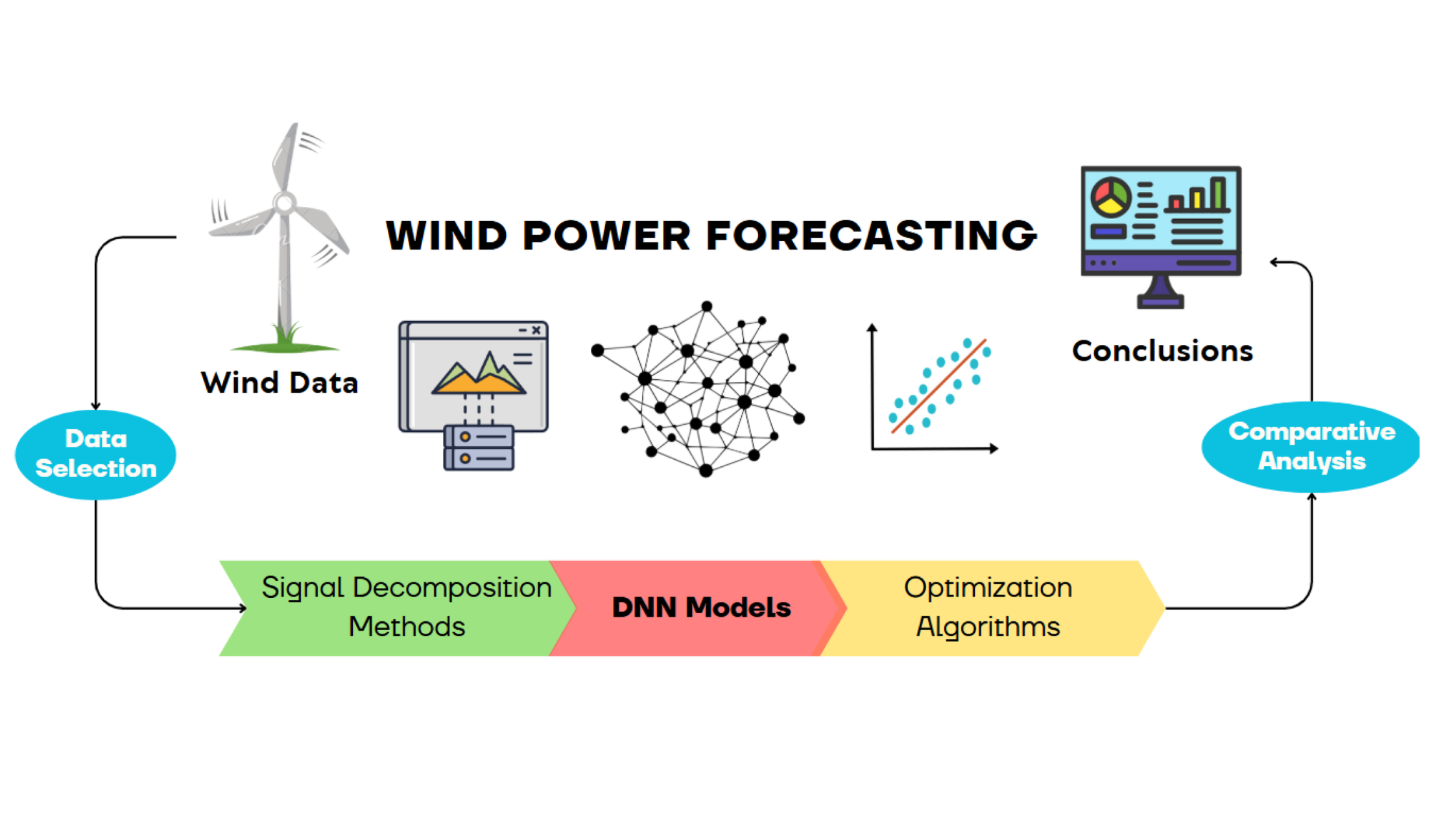
Wind energy forecasting is defined as the process of predicting the amount of electricity that wind turbines will produce over a specific period. The forecasting tools use meteorological data, real-time turbine data, historical wind patterns, and mathematical models such as machine learning or statistical models to generate forecasts.
Wind speed varies from hour to hour and from one location to another. The output of a wind turbine depends on natural wind patterns. Even a small change in weather can affect turbine performance. So, the operators depend on wind energy forecasting to
- To manage electricity supply and demand
- To reduce grid fluctuation
- To plan energy storage
- To enhance the turbine’s performance
Wind energy forecasting is used in wind farm scheduling, grid load management, energy storage planning, energy market bidding, and for maintenance scheduling.
The Role of Machine Learning in Wind Energy Forecasting
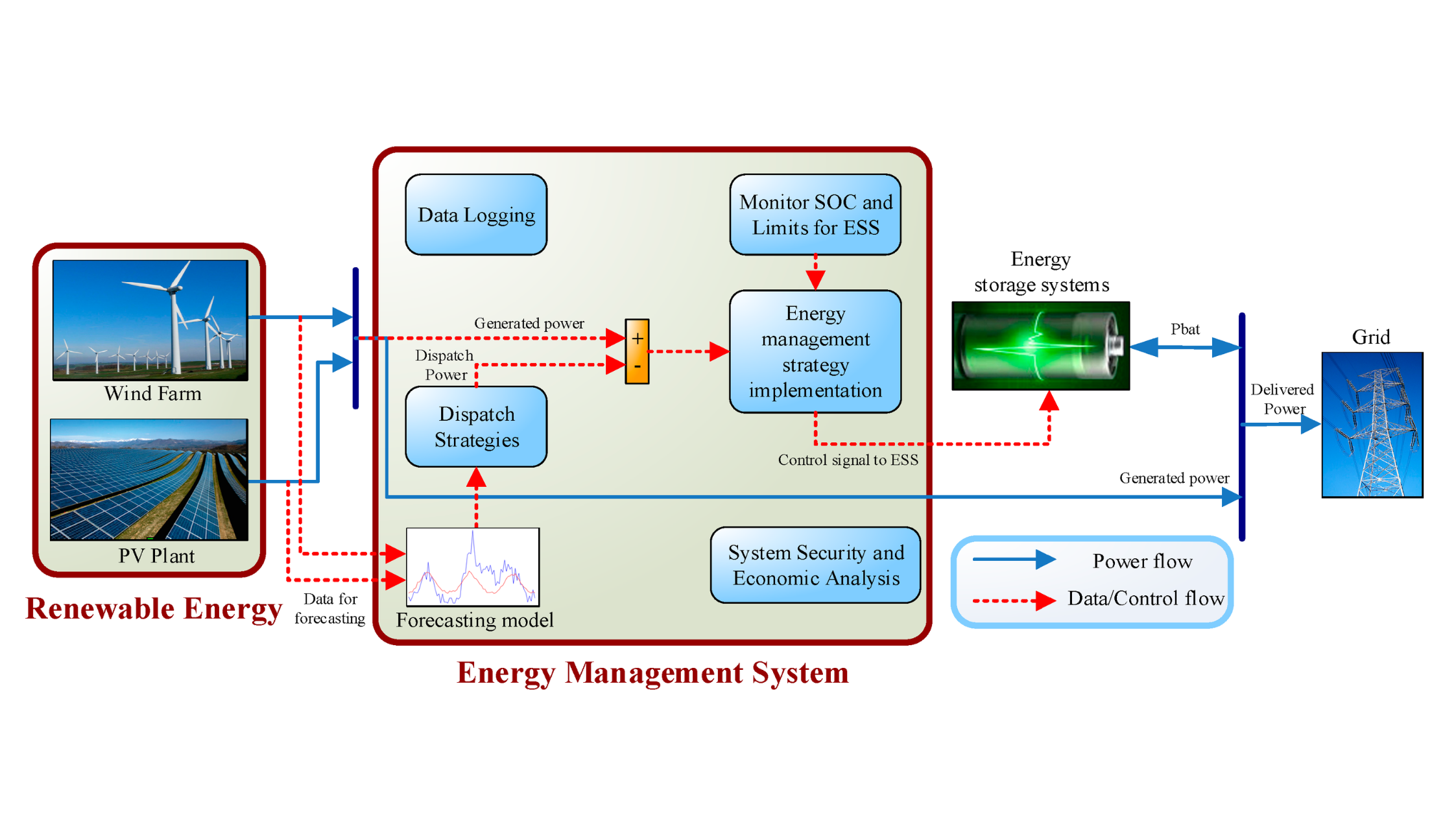
Machine learning is a subset of artificial intelligence (AI). Here, the systems use algorithms to learn from large datasets, find patterns, and enable computers to make predictions or forecasts. As the algorithms are exposed to more data, they make predictions over time.
The wind speed varies continuously from hour to hour and from one season to another. The power output of a wind turbine system varies accordingly from minute to minute. This is where the role of machine learning in wind energy forecasting comes into the picture.
The machine learning algorithms learn from present weather conditions, historical wind patterns, and turbine performance records to make more accurate predictions. These algorithms analyze thousands of data points at once and identify patterns that humans may not notice.
The machine learning detects the hidden relationship between wind speed, temperature, pressure, and the power output of a turbine. It analyzes a vast amount of historical and current data and continuously improves future predictions. It constantly changes itself with the varying wind conditions and minimizes forecast errors. This helps operators to manage power supply more effectively and reduce dependency on backup energy sources.
Reference: Wind power forecasting based on daily wind speed data using machine learning algorithms
Types of Machine Learning Models Used in Wind Forecasting
Machine learning models used in wind forecasting are discussed below.
- Linear and Non-linear Regression Models
These models are used for short-term and medium-term wind prediction. These models are easy to train with historical data. They work well when wind conditions are steady. These models estimate how various factors like temperature, pressure, and wind speed affect power output.
- Neural Networks
These models can mimic the way the human brain identifies patterns. They can efficiently handle complex and dynamic weather conditions, and their accuracy improves with more data. These are ideal for wind farms with long-term operational records.
- Decision Trees and Random Forest
These models split data into small decision rules. These models improve accuracy by combining many decision trees and averaging the results. They are widely used in day-ahead forecasting.
- Support Vector Machines (SVM)
SVMs are suitable for both short-term and long-term forecasting. These models forecast wind speed and turbine output, especially when data contains noise or outliers. These models work well in environments with high data variability
- Long Short-Term Memory (LSTM) Networks
Presently, these models are among the top choices for advanced wind prediction systems. These models can understand long-term patterns in time-series data. These models offer highly accurate results for hour-ahead and day-ahead predictions.
- Deep Learning Models
These models combine multiple layers of neural networks to analyze complex weather data. These models can handle large and complex datasets that include satellite readings, atmospheric measurements, etc. These are commonly used in high-capacity wind farms and smart grid systems.
Data Sources Used in ML-Based Wind Forecasting
- Weather Station Data
The weather station measures essential atmospheric variables that directly influence wind turbine performance. The common weather station data includes wind speed, direction, temperature, humidity, rainfall, atmospheric pressure, etc.
- SCADA Data from Wind Turbines
Supervisory Control and Data Acquisition (SCADA) systems record real-time operating parameters from each turbine under changing conditions. Some usual SCADA inputs include rotor speed, blade pitch angle, nacelle wind speed, power output, etc.
- LiDAR and SoDAR Measurements
Remote sensing devices like LiDAR (Light Detection and Ranging) and SoDAR (Sonic Detection and Ranging) provide high-resolution wind data at multiple heights.
- Satellite Data
Satellites provide large-scale atmospheric information such as cloud movement, sea surface temperature, air moisture content, etc.
- Geographic Information
The machine learning models also use some geographical data, such as coastal and mountain boundaries, land cover, slope, roughness, etc.
- Historical Records
The machine learning models use historical data to recognize seasonal wind trends and long-term climate patterns. This improves both seasonal and annual forecasting.
Reference: The Role of Machine Learning in Wind Plant Analytics
How Machine Learning Models Improve Forecast Accuracy?
- Learning from Historical data:
First, the machine learning models study historical data of wind speed, direction, power output, etc. After analyzing all the data, these models identify trends and recurring wind patterns. The accuracy improves every time the new data is added.
- Processing Large Datasets:
Then, the machine learning models process thousands of data points collected from sensors, satellites, turbine monitoring systems, and weather stations.
- Identifying Nonlinear Wind Behavior
Wind behavior is nonlinear in nature. It varies with turbulence, temperature gradients, atmospheric pressure, etc. The machine learning models can identify these complex nonlinear relationships. These models can capture subtle changes in wind conditions and help predict wind energy output with greater reliability.
- Real-Time Learning
The machine learning models can learn continuously with changing data. These models update predictions as soon as new data arrives. The real-time adjustments and model updates improve forecast accuracy.
- Integrating Multiple Data Sources
Machine learning models combine data from various data sources such as SCADA turbine data, LiDAR and SoDAR readings, satellite observations, and numerical weather prediction models. This minimizes uncertainty and improves long-term forecast stability.
- Reducing Errors
The machine learning models continuously compare the predicted and actual outputs to reduce errors. These models use various techniques such as ensemble learning, gradient-based optimization, and model tuning to reduce errors and smooth power generation forecasts.
- Handling Uncertainty
Wind forecasting always involves uncertainty. The machine learning models calculate the probability of different outcomes instead of relying on a single prediction. This helps grid operators prepare for multiple scenarios.
Reference: The role of AI and machine learning in revolutionizing wind energy
Conclusion
In the fastest-growing wind power industry, predicting how much electricity it will generate is still a major challenge. The wind is highly nonlinear in nature; it changes quickly, and turbine output can vary from minute to minute. To ensure a reliable electricity supply, the wind power industry is heavily dependent upon accurate forecasting. The machine learning models learn from real data, can process complex datasets, and adapt to changing conditions. So, these machine learning models play a crucial role in improving the accuracy of wind energy forecasting. The machine learning models have transformed the accuracy and reliability of wind forecasting.
FAQS
- What is wind energy forecasting?
Wind energy forecasting is defined as the process of predicting the amount of electricity that wind turbines will produce over a specific period. The forecasting tools use meteorological data, real-time turbine data, historical wind patterns, and mathematical models such as machine learning or statistical models to generate forecasts.
2. What is a machine learning technique?
Machine learning is a subset of artificial intelligence (AI). Here, the systems use algorithms to learn from large datasets, find patterns, and enable computers to make predictions or forecasts. As the algorithms are exposed to more data, they make predictions over time.
Also Read:
- AI-Powered Wind Turbine: How It Optimizes Power Output?
- How Smart Wind Turbine Blades Are Redefining the Future of Wind Energy?
- A Technical Look at Offshore Wind Farms
- Can Wind Turbines Operate Efficiently in Low-Wind Regions? What You Need to Know?
- Why Taller Wind Turbines Produce More Power? The Real Reason Behind It
- A Step-by-Step Guide to Design a Small Wind Turbine System
- Can a Small Wind Turbine System Power Your Entire House? A Practical Guide
- The Evolution of Wind Power: How Wind Power Is Shaping the Future of Renewable Energy Grids?
- How Wind Direction and Speed Affect Wind Turbine Performance? A Complete Guide
- A Complete Guide to How a Wind Turbine Turns Air into Electricity: From Blades to Grid
- Importance of AI-Driven Predictive Maintenance in Wind Energy Systems
- Are DIY Solar Panel Kits Worth It? A Complete Guide
- Portable Solar Panel Kits: Best Uses for RVs and Camping
- Breaking Down Each Component of a 5kW Solar Panel Kit
- What Size Solar Panel Kit Do You Need? Find the Right Solar Kit for Your Home
- Perovskite Solar Panels: The Future of Home Solar
- High-Wattage 450W Solar Panels: Are They Worth It for Your Home Roof Space?
- The Rise of 600W+ High-Power Panels in Commercial Solar Farms
- HJT Solar Panels: A Right Solar Investment for Large Businesses