
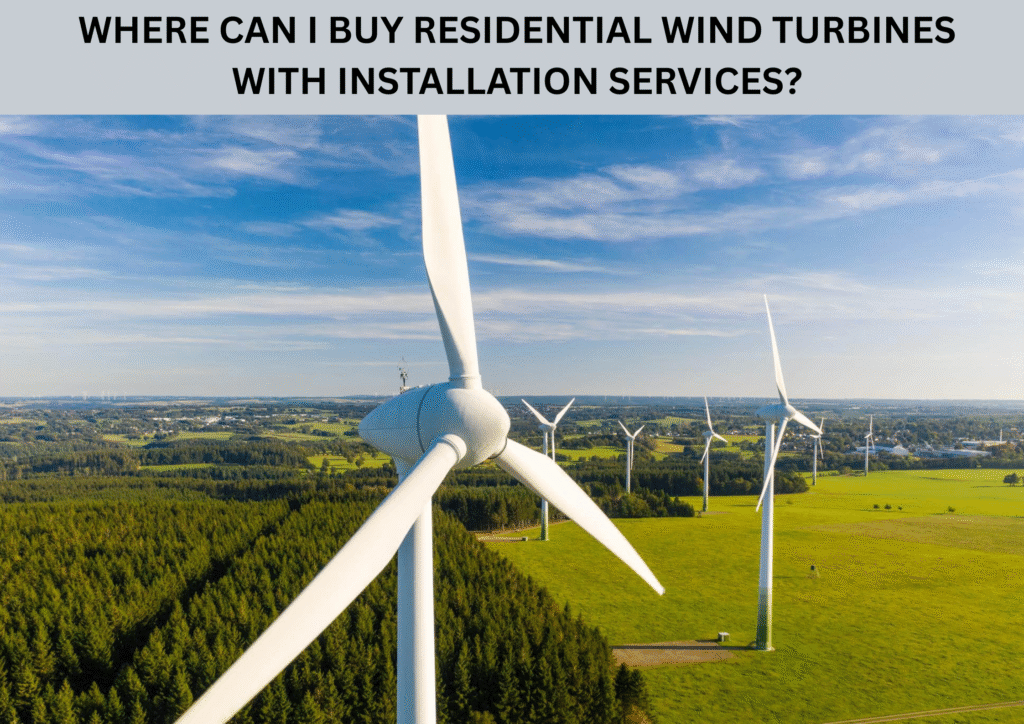
Nowadays, homeowners are searching for clean and affordable energy solutions. The solar panels generate energy during daylight. Whereas the wind turbines at the locations where the wind blows day and night can generate power 24/7.
A well-designed, efficient small-scale wind turbine can cut 20 to 90% of a home’s electricity bill, depending on wind resources. But what are the most efficient small-scale wind turbines for home use?
The right small-scale wind turbine can start producing energy at low wind speeds, survive extreme storms, and produce high energy output throughout the year. This guide provides you with a detailed guide on efficient wind turbines, their types, some efficient small-scale wind turbine models, and a buying guide to select the right one.
Read the full article, select the right small-scale wind turbine, reduce your electricity bills, boost energy independence, and support a cleaner future.
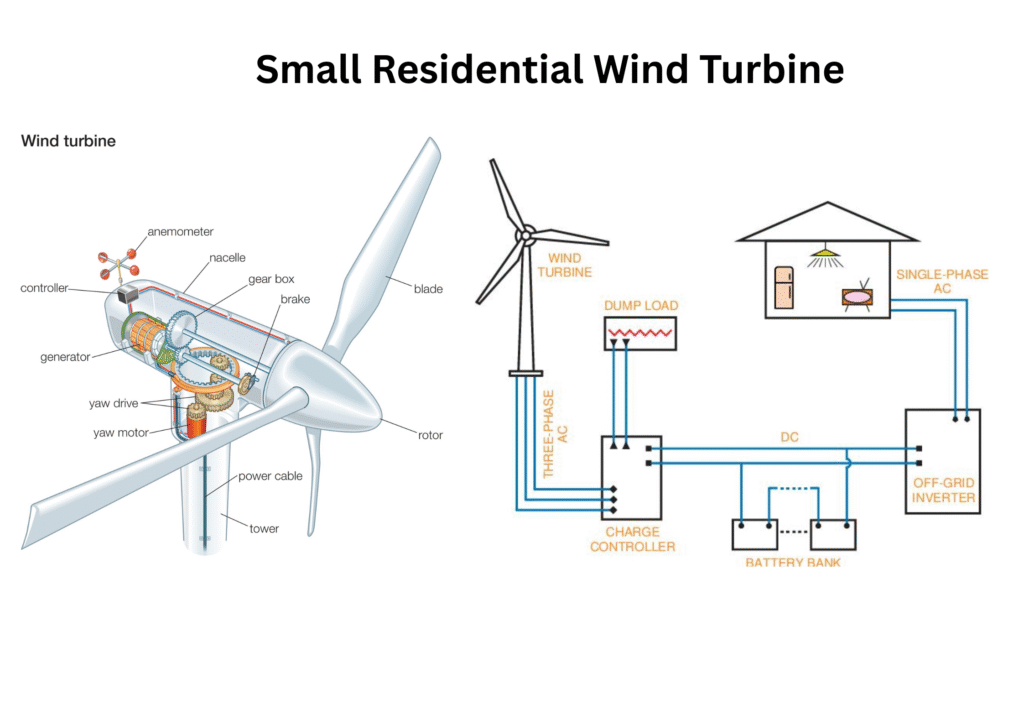
What Makes a Home Wind Turbine “Efficient”?
Efficiency in a wind turbine is how well it converts available wind into usable electricity. It works smoothly in real-world conditions, generates more energy each year, and offers you a better return on investment.
- An efficient wind turbine can generate maximum power at average wind speeds. It can start generating power at a low cut-in speed and maintain a rated output as wind speed rises.
- A wind turbine with high annual energy production is considered an efficient system.
- The wind turbines built with advanced aerodynamic blade designs, direct-drive permanent magnet generators, increased tower height, and smart control and monitoring systems work more efficiently than the regular turbines.
Types of Small-Scale Wind Turbines for Homes
Types of small-scale wind turbines are:
- Horizontal-axis Wind Turbine:
These wind turbines are mounted on towers and have three-blade rotors facing the wind. They offer strong performance and high annual energy output.
- Vertical-axis Wind Turbine:
These wind turbines can capture wind from any direction. There are two popular formats. One has curved blades and offers strong performance at high wind speeds, known as Darrieus. The other one is S-shaped, known as Savonius, and these are good for low wind and simple construction.
What are the most efficient small-scale wind turbines for home use?
1. Bergey Excel 10
| Rated Capacity | 10 kW nominal, AWEA-rated power ~ 8.9 kW at 11 m/s |
| Annual energy production (Estimated) | 13,800 kWh per year at a 5 m/s average wind speed (per AWEA) |
| Cut-in wind speed | 2.5 m/s (According to spec sheet) |
| Survival wind speed | 60 m/s |
| Furling (Overspeed Protection) | Automatically furling between 14–20 m/s |
| Tower Height | Options available Guyed lattice tower: 18–49 m Self-supporting lattice tower: also 18–49 m Tilt-up guyed lattice: up to 30 m Monopole tower: 18–37 m |
| Rotor Diameter/Blade Size | 7 m (23 ft)/ 3 Blade |
| Grid connection capability | Powersync II inverter, 240 VAC, 1-phase, 60 Hz |
| Warranty | Offers long warranties |
| Installation Services | Provided by the certified dealers |
| Cost (Approximate) | Range from ~US$ 48,000 to 65,000 |
2. Skystream 3.7
| Rated Capacity | 2.4 kW nominal |
| Monthly energy production (Estimated) | ≈ 400 kWh per month |
| Cut-in wind speed | 3.5 m/s (According to spec sheet) |
| Survival wind speed | 60 m/s |
| Rotor Diameter/Blade Size | 3.72 m/ 3 Blade |
| Grid connection capability | Yes, built-in inverter, 120/240 VAC, 1-phase, 60 Hz |
| Warranty | 5-year limited warranty |
| Installation Services | Offers professional installers recommended by Skystream. |
3. XZERES 442SR
| Rated Capacity | 10.4 kW peak (Approximate) |
| Annual energy production (Estimated) | ~ 25,800 kWh/year |
| Cut-in wind speed | 2.5 m/s (According to spec sheet) |
| Survival wind speed | 25 m/s |
| Rotor Diameter/Blade Size | 7.2 m/ 3 Blade |
| Grid connection capability | Yes, single phase 220–240 VAC, 50/60 Hz |
| Warranty | 10-years limited warranty |
4. PRIMUS AIR 40
| Rated Capacity | 160W peak (Approximate) |
| Monthly energy production (Estimated) | ≈ 40 kWh per month |
| Cut-in wind speed | 3.1 m/s (According to spec sheet) |
| Survival wind speed | 49.2 m/s |
| Rotor Diameter/Blade Size | 1.17 m/ 3 Blade |
| Warranty | 5-year limited warranty |
| Used for | It is a micro-wind turbine designed mainly for battery charging in remote and off-grid applications. |
Vertical-axis Wind Turbines
1. Hi-VAWT DS-3000W
| Rated Capacity | 3.0 kW nominal output |
| Annual energy production (Estimated) | 2,460 kWh/year |
| Cut-in wind speed | < 3 m/s (According to spec sheet) |
| Survival wind speed | 60 m/s |
| Rotor Diameter/Blade Size | 4 m/ 3 Blade |
| Grid Connection Capability | Yes, uses a WT23000 grid-tie inverter |
| Warranty | to 5-year limited warranty |
2. VisionAIR 5
| Rated Capacity | 5.0 kW nominal output |
| Annual energy production (Estimated) | VisionAIR doesn’t publish a fixed global kWh/year |
| Cut-in wind speed | ~3.5 m/s (According to spec sheet) |
| Survival wind speed | 50 m/s |
| Rotor Diameter/Blade Size | 3.2 m/ 3 Blade |
| Grid Connection Capability | Yes, uses an ABB grid-tie inverter |
| Warranty | years standard warranty |
3. Windspire Energy
| Rated Capacity | 1.2 kW nominal output |
| Annual energy production (Estimated) | ~2,000 kWh/year |
| Cut-in wind speed | ~8 m/s (According to spec sheet) |
| Survival wind speed | 110 m/s |
| Rotor Diameter/Blade Size | 2.72 m/ 3 Blade |
| Grid Connection Capability | Yes, uses a custom integrated grid-tie inverter (120 VAC, 60 Hz) |
| Warranty | years standard warranty |
What Are the Factors to Consider While Selecting Small-Scale Wind Turbines for Home Use?
- Ideal Location: A site with steady wind above 4 -5 m/s is ideal to install small-scale wind turbines.
- Turbine Size: If you are purchasing a small wind turbine for a small home or cabin, then the turbines with a rated power capacity of 1 – 3 kW are ideal. For average residential use, turbines with a rated power capacity of 5 – 10 kW work well. However, for high-power homes, wind turbines with a rated power capacity of 10 – 20 kW are a good choice.
- Rotor Size and Tower Height: A small wind turbine system with a larger rotor and a higher tower can catch strong winds.
- Grid ties or off-grid: For remote locations, select an off-grid wind turbine, and for best energy savings, select a grid-tied system.
- Noise: Select a quiet wind turbine. It should be designed with automatic braking, sealed bearings, and a long service life.
- Warranty: Select a wind turbine with a strong warranty that shows confidence in reliability.
- Budget and Payback: Select a wind turbine according to your budget. The initial cost must match energy productivity.
Conclusion
The selection of a well-designed small-scale wind turbine system can help you achieve better yearly energy savings. The upfront cost may be higher, but the long-term value, especially with incentives, may make it a worthwhile investment.
Also Read:
- Where can I buy residential wind turbines with installation services?
- AI-Powered Wind Turbine: How It Optimizes Power Output?
- How Smart Wind Turbine Blades Are Redefining the Future of Wind Energy?
- A Technical Look at Offshore Wind Farms
- Can Wind Turbines Operate Efficiently in Low-Wind Regions? What You Need to Know?
- Why Taller Wind Turbines Produce More Power? The Real Reason Behind It
- A Step-by-Step Guide to Design a Small Wind Turbine System
- Can a Small Wind Turbine System Power Your Entire House? A Practical Guide
- The Evolution of Wind Power: How Wind Power Is Shaping the Future of Renewable Energy Grids?
- How Wind Direction and Speed Affect Wind Turbine Performance? A Complete Guide
- A Complete Guide to How a Wind Turbine Turns Air into Electricity: From Blades to Grid
- Importance of AI-Driven Predictive Maintenance in Wind Energy Systems
- Are DIY Solar Panel Kits Worth It? A Complete Guide
- Portable Solar Panel Kits: Best Uses for RVs and Camping
- Breaking Down Each Component of a 5kW Solar Panel Kit
- What Size Solar Panel Kit Do You Need? Find the Right Solar Kit for Your Home
- Perovskite Solar Panels: The Future of Home Solar
- High-Wattage 450W Solar Panels: Are They Worth It for Your Home Roof Space?
- The Rise of 600W+ High-Power Panels in Commercial Solar Farms
- HJT Solar Panels: A Right Solar Investment for Large Businesses
Pingback: Incentives and Rebates for Home Wind Turbine Installation - science2energy
Pingback: Payback Period for Residential Wind Power: What Homeowners Can Expect - science2energy
Pingback: Pros and Cons of Electric Vehicles on The Environment - science2energy