Recent wind power deals and investments reshape Europe’s Clean Energy path to a cleaner, more secure energy future.
Wind energy is growing rapidly and attracting a diverse range of investors.
The development in the wind energy sector reduces imported fossil fuels and strengthens Europe’s long-term energy security and economic strength.
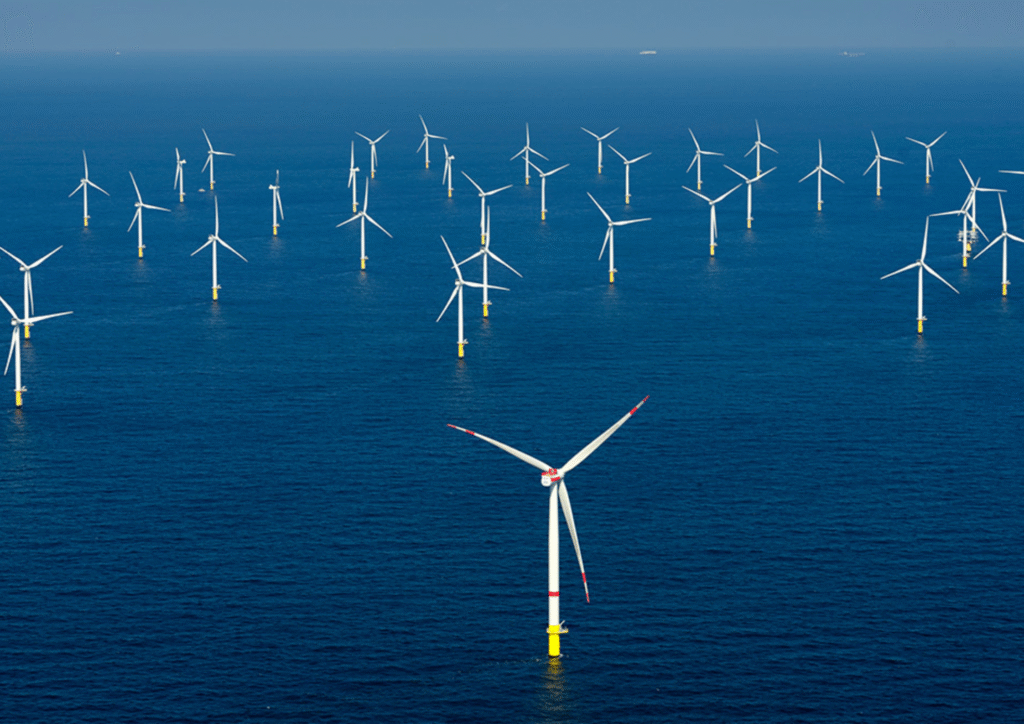
In 2025, wind and solar energy generated more electricity than all fossil fuels across the EU for the first time. The total installed wind power capacity of Europe has now reached 291 GW, including 37 GW of offshore wind. European nations are collaborating to build 100 GW of offshore wind capacity by 2040, as part of Europe’s Clean Energy.
So, how are recent wind power deals and investments reshaping Europe’s clean energy future? This article explains Europe’s clean energy progress, Europe’s major wind power deals and investments, and its impact on Europe’s energy security and economy.
Europe’s Renewable Energy Progress
According to the European Commission, in 2024, about 47% of total electricity produced in the European Union came from renewables such as wind, solar, and hydro-power. This figure is increasing year by year. Among all renewable energy sources, wind and hydro were the major sources of electricity generation, while solar power has been the fastest-growing source.
In 2025, for the first time, electricity generation by renewable resources surpassed that of fossil fuels. This year, around 30% of the European Union’s electricity was produced by wind and solar. In June 2025, for the first time, solar power became the single largest source of electricity in the EU, generating 22% of total electricity.
The renewable adoption varies from one country to another. Sweden leads the race with over 30% total electricity generated from renewable resources. Finland and Denmark are positioned in second and third place, with around 50% and 47% of electricity generation from renewables.
According to the European Commission, the share of renewable energy sources in EU energy consumption has increased from 12.5% in 2010 to 25.2% in 2024. The EU aims to generate at least 42.5 % of total electricity from renewables by the year 2030.
Reference: Opportunities and challenges for EU energy policy 2025-2035 – a systemic perspective
Europe’s Major Wind Power Deals and Investments
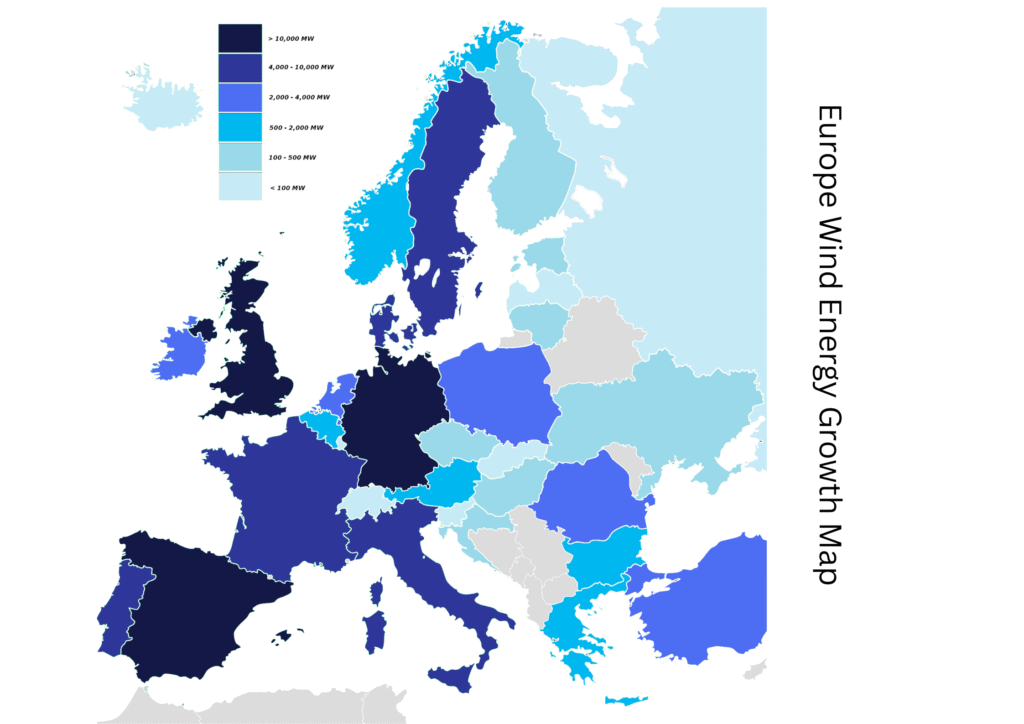
Europe is a global leader in wind energy development. The major investors who are investing in offshore and onshore wind farms are governments, banks, infrastructure operators, and developers. Some of the major wind power deals are explained below.
- North Sea Investment Pact
TheNorth Sea Investment Pact is Europe’s largest wind deal. This deal is signed by nine European governments and major industry players. The main focus of this deal is large-scale wind power growth and long-term energy security.
Two major initiatives of this deal are
- To deliver 5 GW of offshore wind capacity per year between 2031 and 2040.
- To create 91,000 new jobs in manufacturing, installation, and ports.
2. UK Offshore Wind Auction
This auction was held in January 2026. The main partners of the UK Offshore Wind Auction aretheUK Crown Estate & developers. The main objective of this auction is
- To construct 8.4 GW of wind farms that will collectively generate enough electricity to power almost 10 million homes.
3. Hornsea 3 Stake Sale
The main partners of this deal areØrsted & Apollo (U.S.). According to the Hornsea 3 Stake Sale,
- Danish company Ørsted sold 50% stake of the Hornsea 3 offshore wind project to Apollo, a U.S. investment firm, for $6.5 billion. The Hornsea 3 offshore wind project is Europe’s largest wind farm.
- European Investment Bank Backs BC-Wind in Poland
According to the European Investment Bank, this bank is committed to a €600 million loan for a new 390 MW BC-Wind offshore wind project in the Baltic Sea. This project is expected to generate power by 2028. The main objective of this deal is:
- To supply clean energy to nearly half a million homes and businesses.
- Enel’s Onshore Wind Investment in Germany
According to this deal,
- Italy’s Enel acquired two onshore wind farms in Germany with a combined capacity of 51 MW for €80 million. This is the first major German investment, which adds annual earnings of €10M.
- Emerging Floating Wind Projects
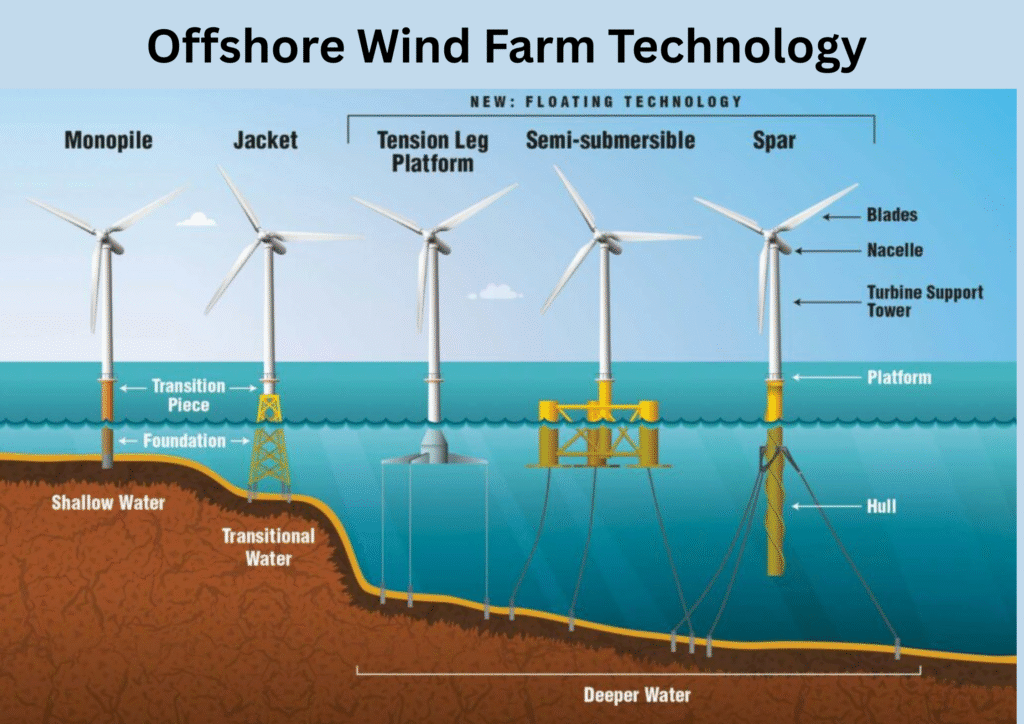
Europe is also investing in floating wind technology:
- The Pentland Floating Offshore Wind Farm in Scotland has secured contracts for 92.5 MW of capacity.
- The Green Volt Offshore Wind Farm is being developed with 560 MW capacity at an estimated cost of £2.5 billion.
How recent Wind Power Deals and Investments Are Reshaping Europe’s Clean Energy Future?
Both onshore and offshore wind turbines are a major economic force. They are not only cutting down carbon emissions but also strengthening energy security and economic growth. The total wind power capacity of Europe is 291 GW. Among them, the capacity of the offshore wind turbines is 37 GW, and the onshore wind turbines are 254 GW.
In the year 2025, the newly installed wind capacity in Europe was 6.8 GW, including 89% onshore and 11% offshore. The recent wind power deals and investments are reshaping Europe’s clean energy future.
- In the first half of 2025, Europe added nearly €34 billion in new final investment decisions (FIDs). These investments are directly related to new wind power installations, and this leads to a rapid growth in wind power capacity.
- Wind power deals and investments are strengthening energy security by helping reduce dependence on imported gas and oil.
- Banks, insurance firms, and global asset managers are considering it as an attractive investment. Large stake purchases and co-investments bring in private capital that accelerates project delivery while sharing financial risk.
- Wind power deals and investments support job creation and advanced turbine technology. All of these are important factors to build modern clean energy systems.
Impact of Major Wind Power Deals on Europe’s Energy Security and Economy
- In 2025, wind and solar generated 30% of the European Union’s electricity, whereas fossil fuels generated electricity around 29%. Less import of fossil fuels increases national control over the energy supply.
- According to the Offshore Wind Expansion Pact, the European countries are committed to generating 100 GW of electricity from offshore wind farms. This amount of power is enough to power around 143 million homes.
- According to the European Wind Energy Competitiveness Report, Europe’s wind industry generated €86.8 bn in revenue and contributed €54.4 bn to GDP in recent years. This helps in economic growth and increases national GDP.
- Major wind power deals also strengthen local economies, create jobs, and provide employment. Wind energy supported 363,000 jobs across Europe.
- Wind projects generate local tax revenues, which support public services and enhance community development.
Conclusion
Strategic clean energy policies and investments reshape Europe’s energy landscape. Wind deals support climate goals by cutting carbon dioxide while keeping reliable power. This progress strengthens energy independence as wind and solar overtake fossil fuels in electricity. Policy coordination across regions can speed deployment and attract private capital.
The wind sector is growing fast, yet significant effort remains to reach long-term climate and energy goals. It aligns with Europe’s Clean Energy objectives.
FAQS
- What is the total installed wind power capacity of Europe now?
The total installed wind power capacity of Europe has now reached 291 GW, which includes 37 GW of offshore wind.
Also Read:
- Solar Panels: Latest Technology and Current Price Trends
- Solar Rebates Explained: How Solar Rebates Can Save You Money?
- For the First Time, Renewables Beat Coal
- The Global Clean Energy Race: Who’s Ahead and Why?
- Liquid Air Energy Storage: How Liquid Air Can Store Renewable Energy for the Grid?
- Bikaner 1.4 G Solar Project by Tata Power in Rajasthan
- Solar Farms on Old Landfills: How Unused Lands Are Powering Solar Energy Projects?
- Payback Period for Residential Wind Power: What Homeowners Can Expect
- Incentives and Rebates for Home Wind Turbine Installation
- What Are the Most Efficient Small-Scale Wind Turbines for Home Use?
- Where can I buy residential wind turbines with installation services?
- AI-Powered Wind Turbine: How It Optimizes Power Output?
- How Smart Wind Turbine Blades Are Redefining the Future of Wind Energy?
- A Technical Look at Offshore Wind Farms
- Can Wind Turbines Operate Efficiently in Low-Wind Regions? What You Need to Know?
- Why Taller Wind Turbines Produce More Power? The Real Reason Behind It
- A Step-by-Step Guide to Design a Small Wind Turbine System
- Can a Small Wind Turbine System Power Your Entire House? A Practical Guide
- The Evolution of Wind Power: How Wind Power Is Shaping the Future of Renewable Energy Grids?
- How Wind Direction and Speed Affect Wind Turbine Performance? A Complete Guide
Pingback: How Hybrid Solar-Battery Systems Are Changing Renewable Energy? - science2energy